Why 3M Fall Protection

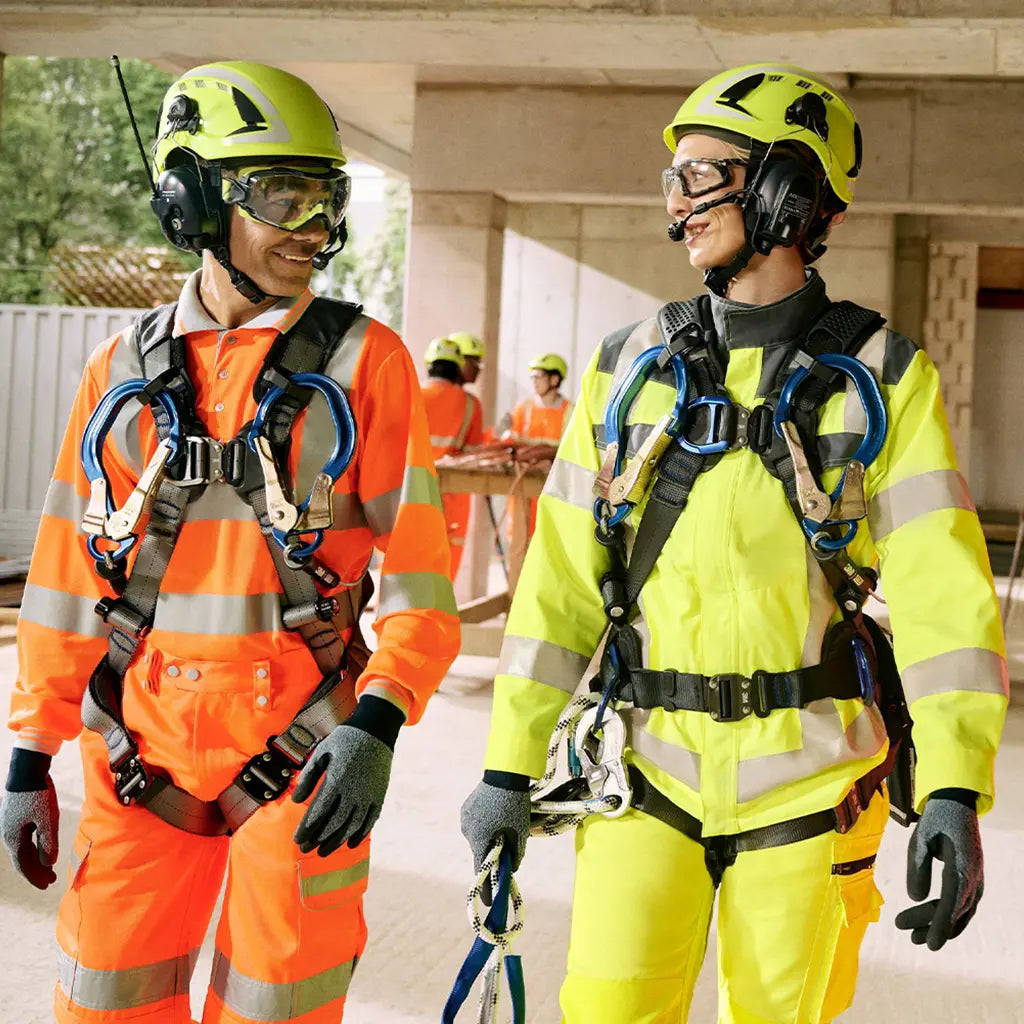
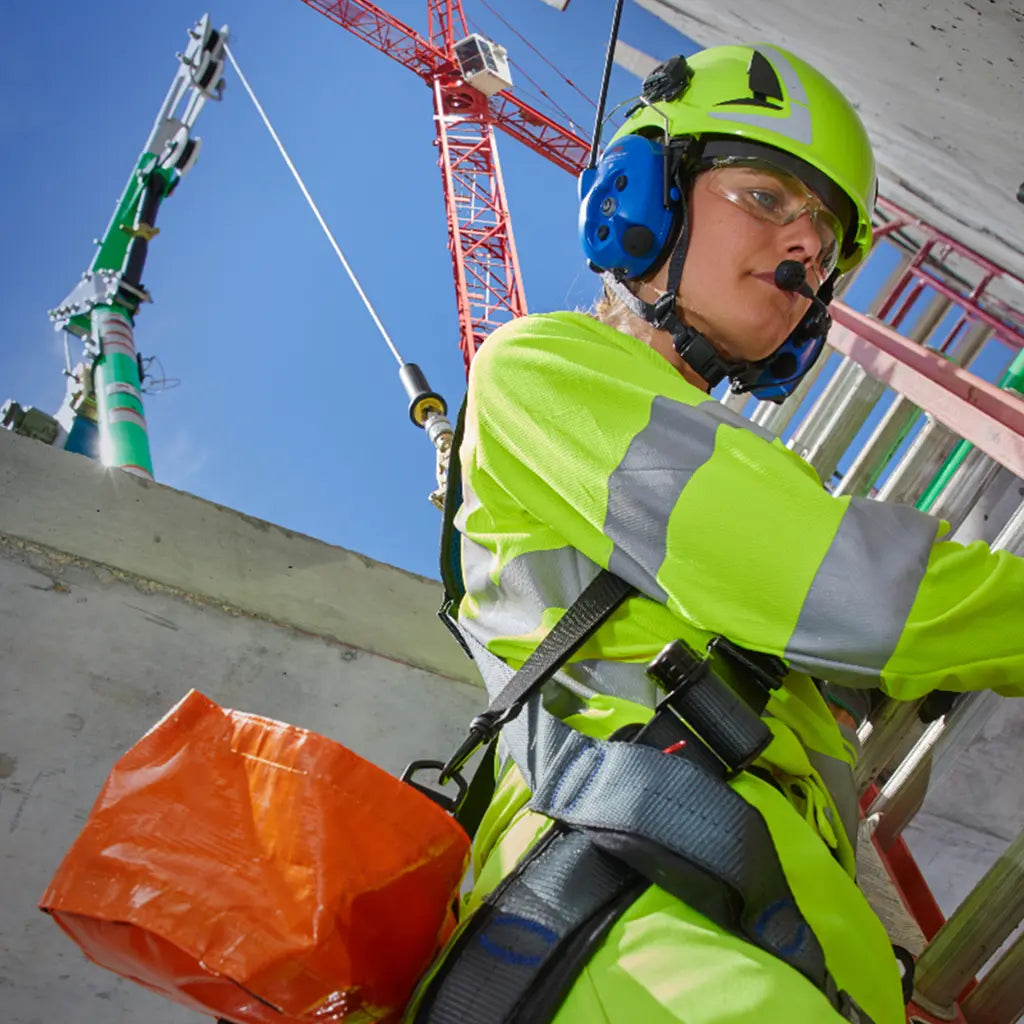
3M has long been a leader in industrial safety and when it comes to working at heights, their DBI-SALA and Protecta brands set the standard. With decades of innovation, rigorous testing and a wide product range, 3M fall protection solutions help keep workers safe from residential rooftops to industrial tower maintenance.
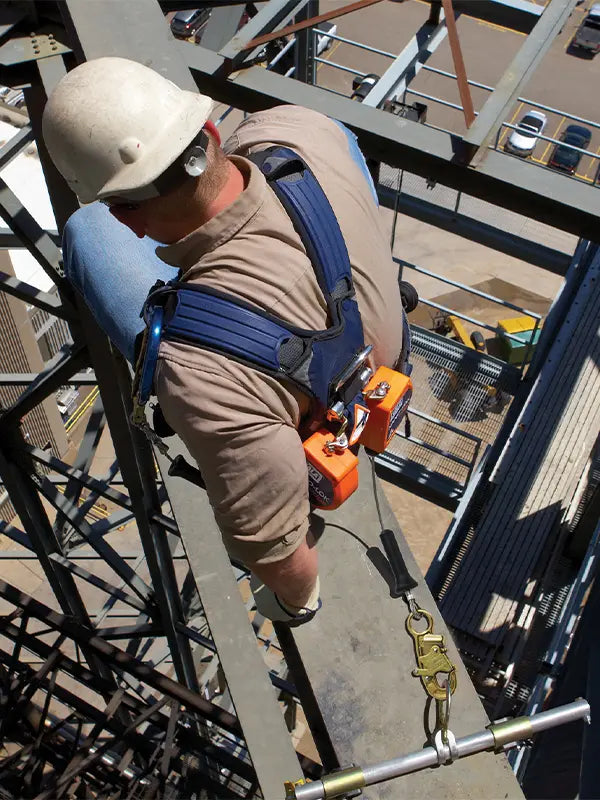
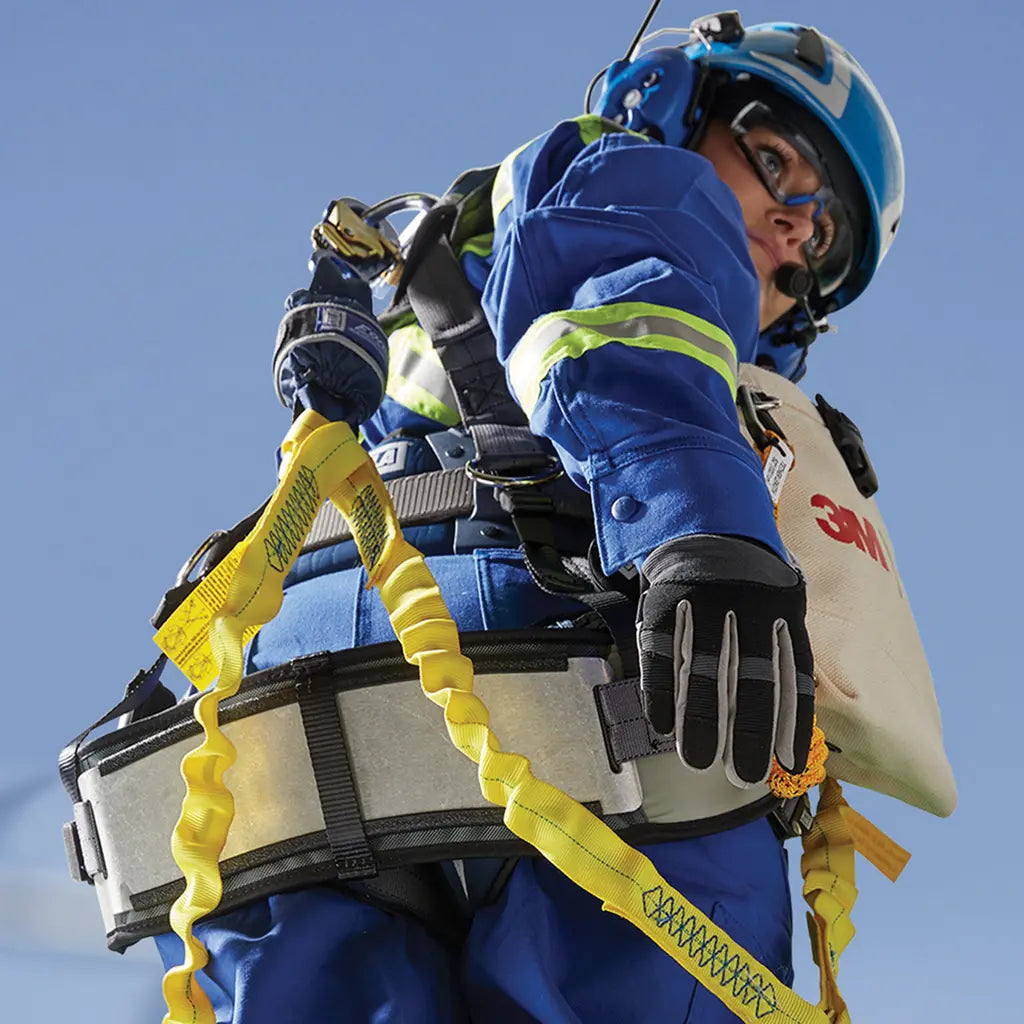
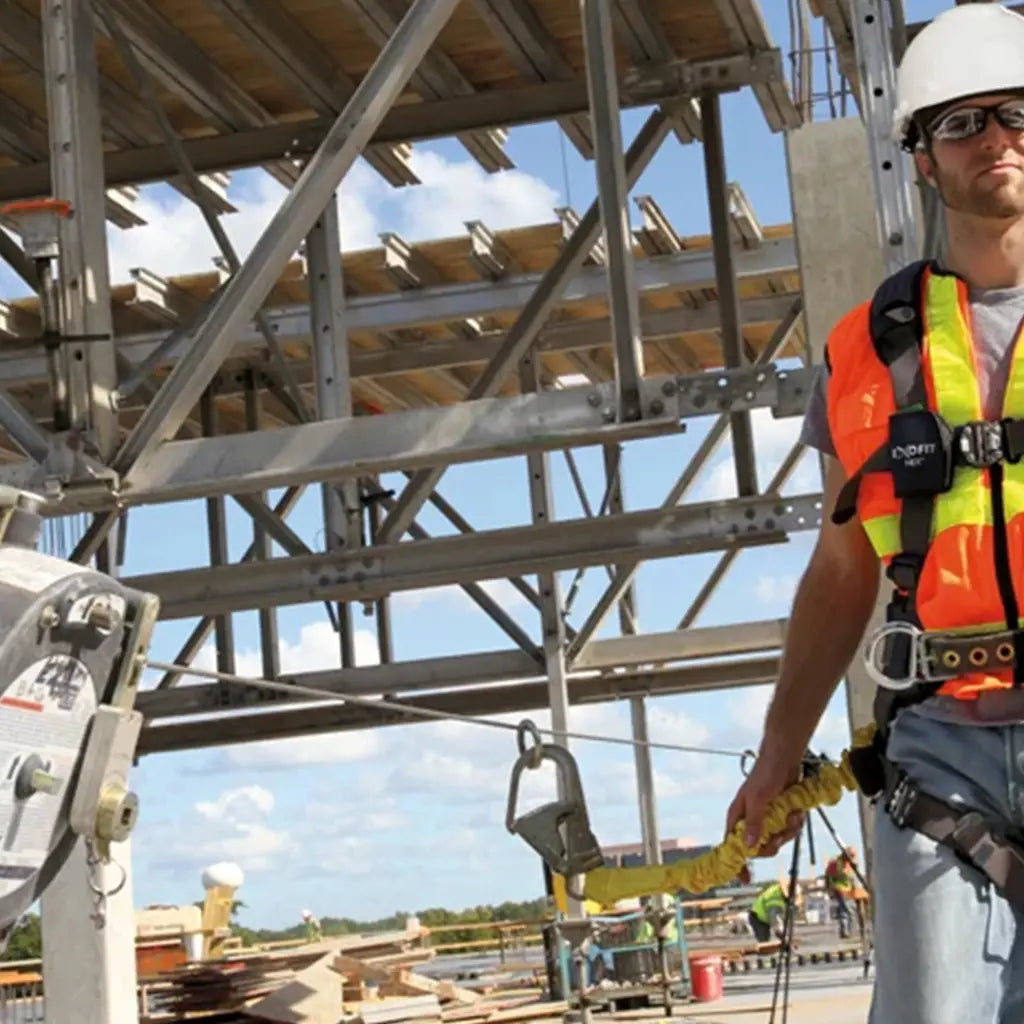
A worker on a tall steel structure utilizes a full-body 3M safety harness and lanyard. This setup shows fall arrest equipment properly attached while navigating the height.

Working at Heights: Hazards & Solutions

Working at height means being in any location above another level where a fall could cause injury. This includes ladders, scaffolding, roofs, edges or openings in floors or walls.

You are working at height if you are:

  • Above ground or another level
  • Near an edge
  • Near an opening or fragile surface
A worker is kneeling on an elevated, open-grid steel platform high above a scenic landscape featuring a river. The worker's gear highlights the necessity of 3M fall protection when performing tasks near edges.

Leading Edge/Sharp Edges

It’s critically important to understand leading and sharp edges and the unique hazards they present. Having the right equipment for the job can make all the difference.
A climber scales a communications tower located on a remote, grassy hill. The worker is securely attached to the structure, showcasing the use of 3M fall protection equipment in climbing applications.

Fall Clearance

Ensure there is enough clearance below to arrest a fall safely before hitting the ground or other objects.

A close-up shot focuses on a worker wearing a 3M hard hat, safety glasses, and a high-visibility vest. They are holding a piece of 3M fall protection gear, emphasizing safety readiness and compliance.

Dropped Objects

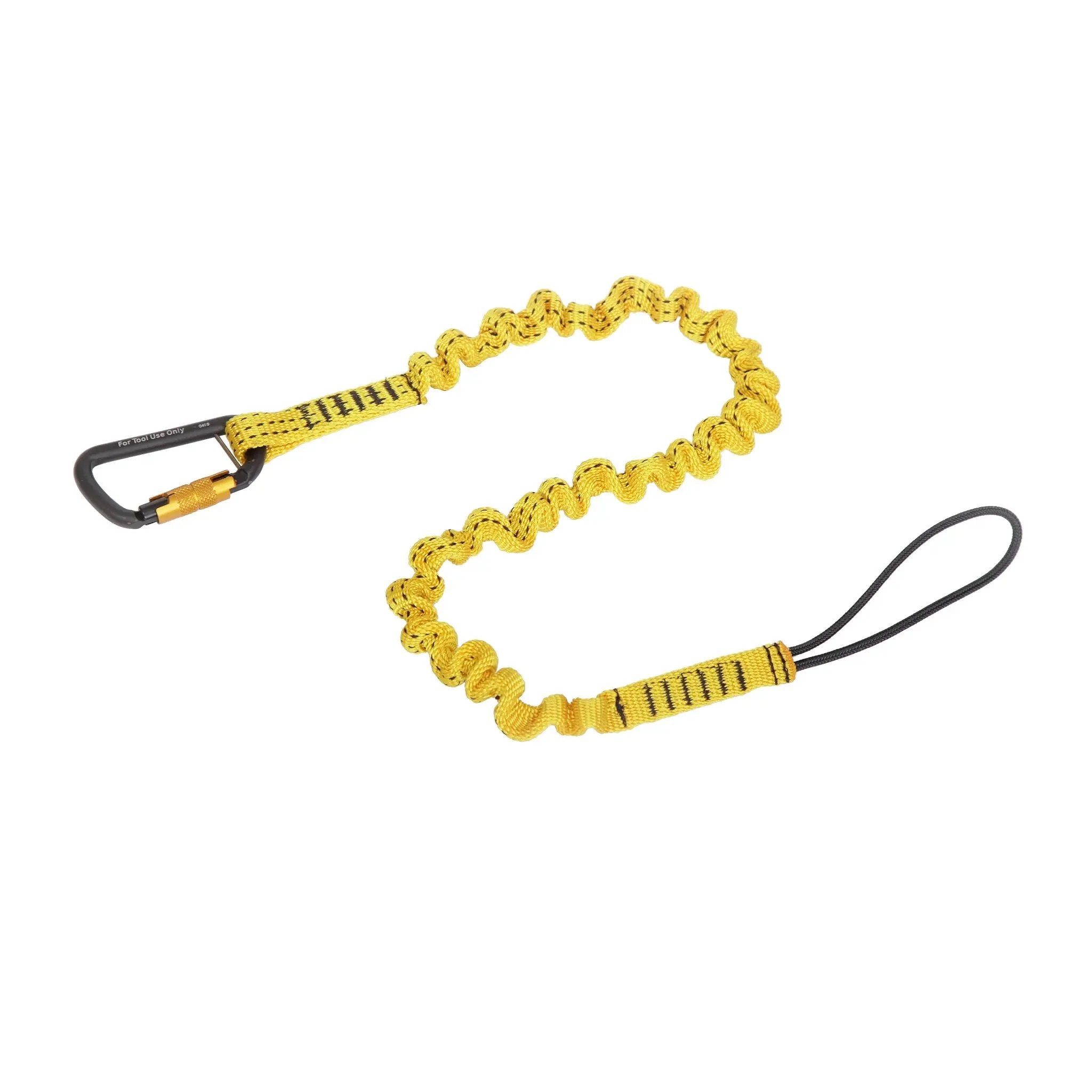
Falling objects can injure personnel, damage equipment and cause tool loss. Use 3M fall protection solutions for tools to minimize these risks.

Understanding the ABCDs of 3M Fall Protection

A - Anchors

Anchors are secure attachment points in a fall protection system designed to support the forces of a fall. They connect to equipment like lanyards, lifelines or SRLs and must be strong, properly placed and suitable for the work environment. OSHA requires each anchor to support 5,000 lbs per worker or be designed by a qualified professional.

What kind of anchor do I need?

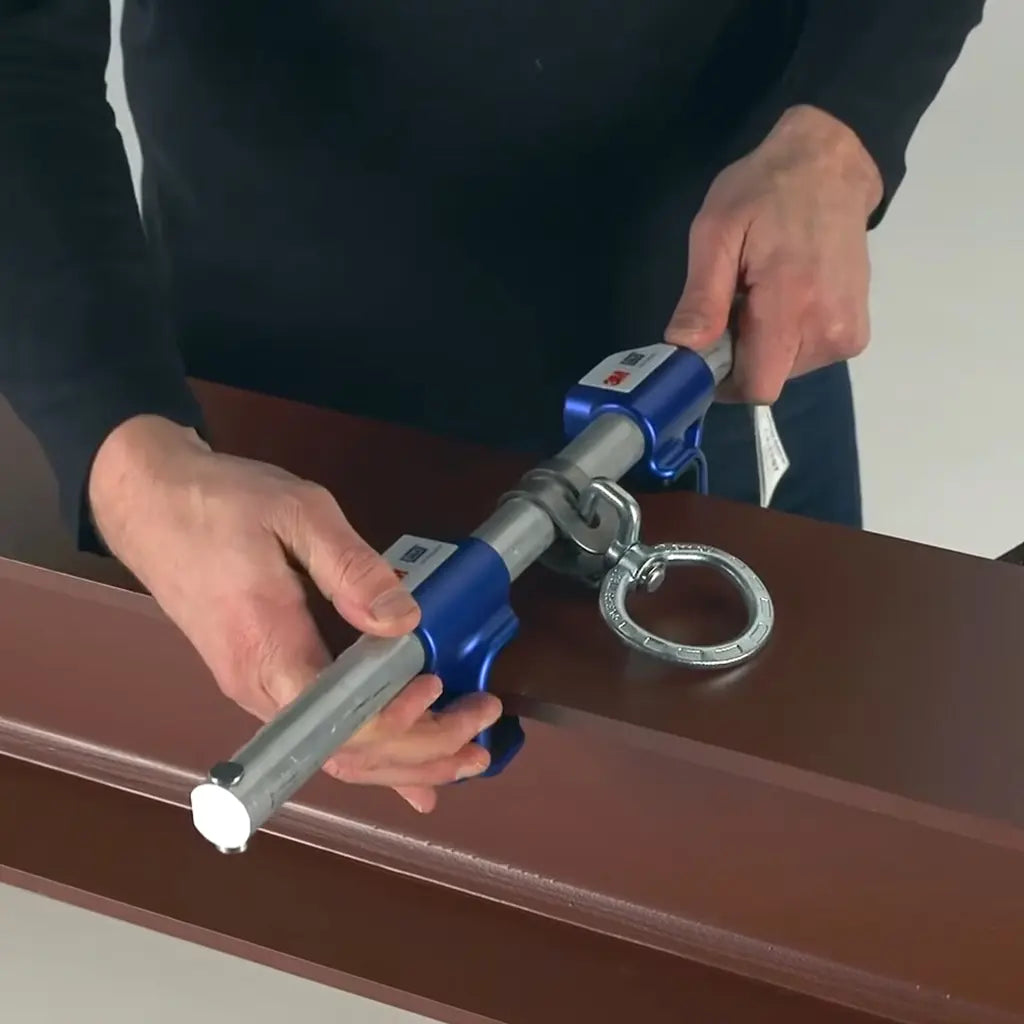
This image shows a worker using a temporary 3M anchorage connector clamped onto a steel beam on a construction site. The connector serves as a direct attachment point for the worker's lanyard to secure them while working at height.

Anchorage Connectors

Direct attachment points installed on the structure, either temporarily or permanently, to secure workers while working at height.
A worker is secured to a temporary 3M horizontal lifeline system spanning across the construction platform. This system is an ideal solution that allows workers to move laterally without consistent access to a fixed overhead anchor point.

Horizontal Lifelines

Ideal for areas where workers move horizontally without consistent access to overhead anchorage. Available in temporary or permanent configurations and rated by number of users.

Shop Anchors

View all
3M Protecta 2190055 PRO Concrete D-ring Anchor with Bolt
Sale price$132.89 Regular price$146.18
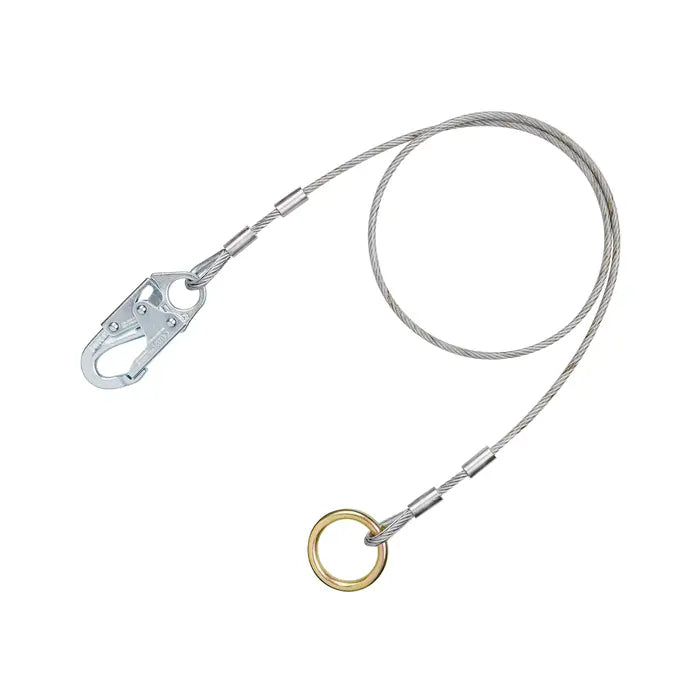
3M Protecta AJ408AG PRO Cable Anchorage Extension
Sale price$79.39 Regular price$87.33
3M DBI-SALA 2104560 Concrete D-ring Anchor
Sale price$149.99 Regular price$164.99
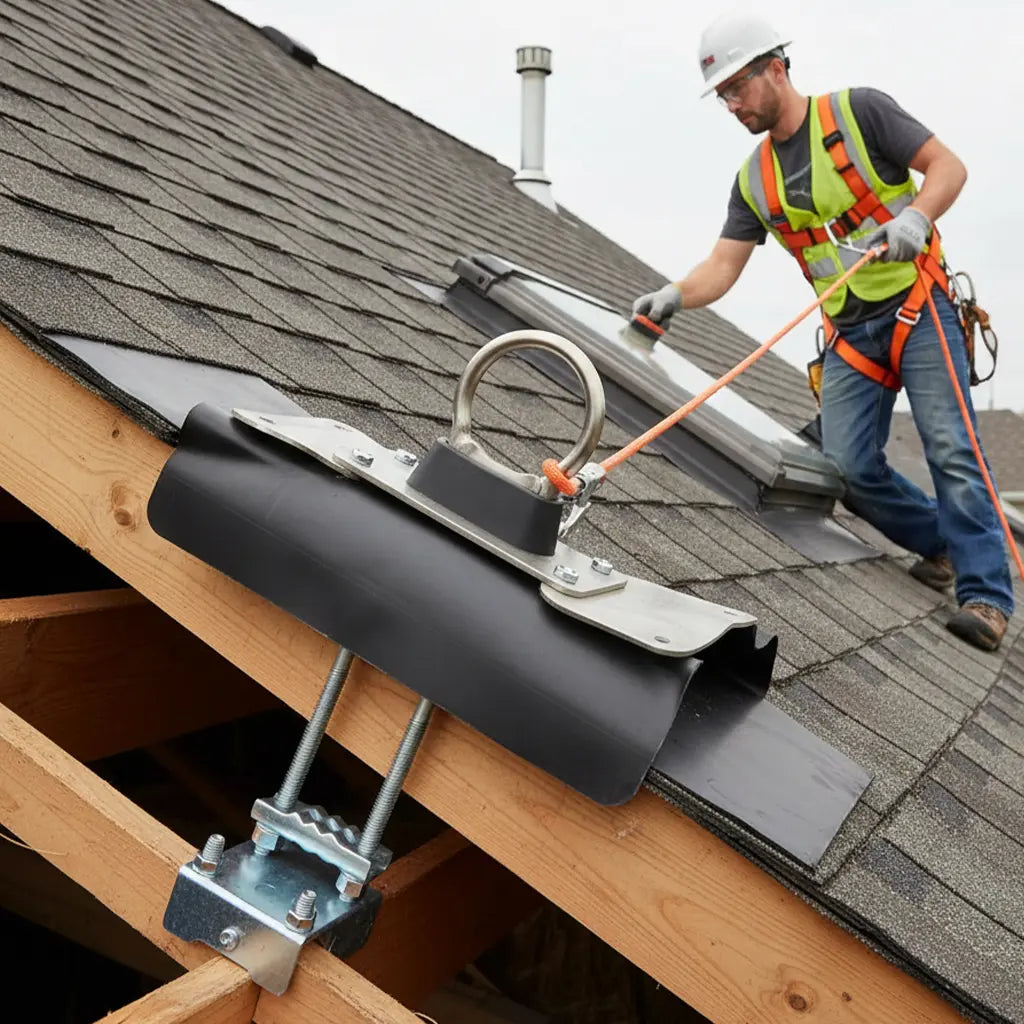
3M DBI-SALA 2103670 Permanent Roof Anchor with Flashing and Cap
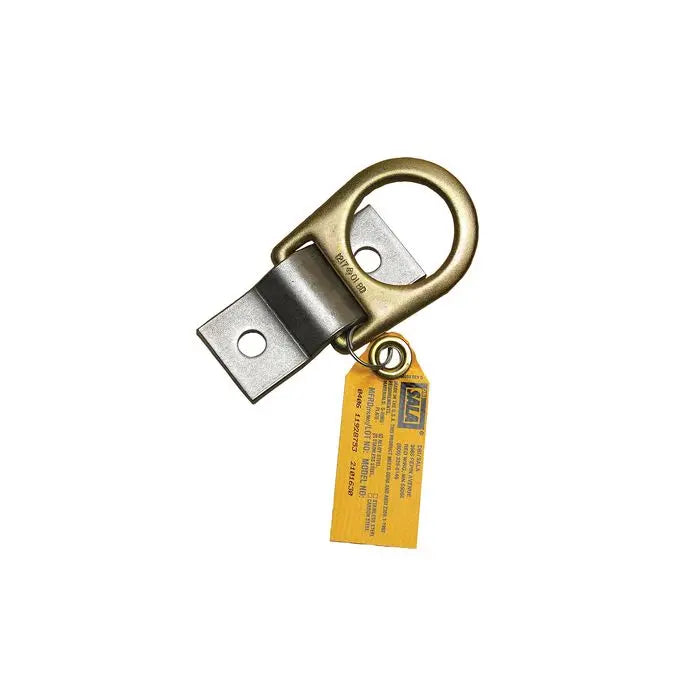
3M DBI-SALA 2101630 D-ring with Anchorage Plate
Sale price$57.89 Regular price$63.68
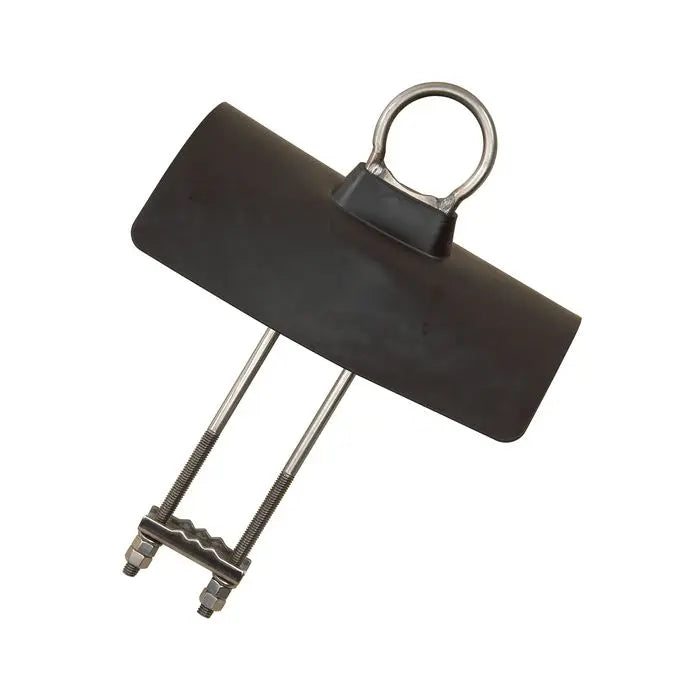
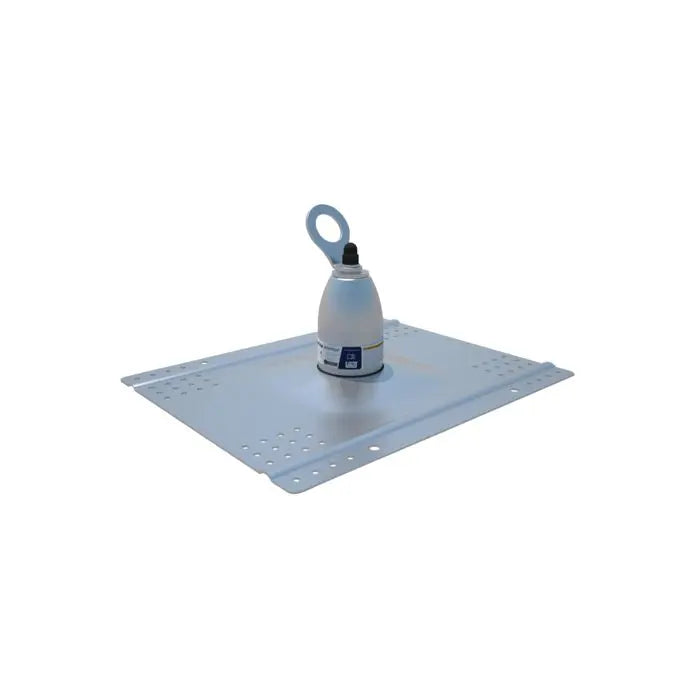
3M DBI-SALA 2100133 Roof Top Anchor  For Metal, Concrete, Wood Roofs, Silver

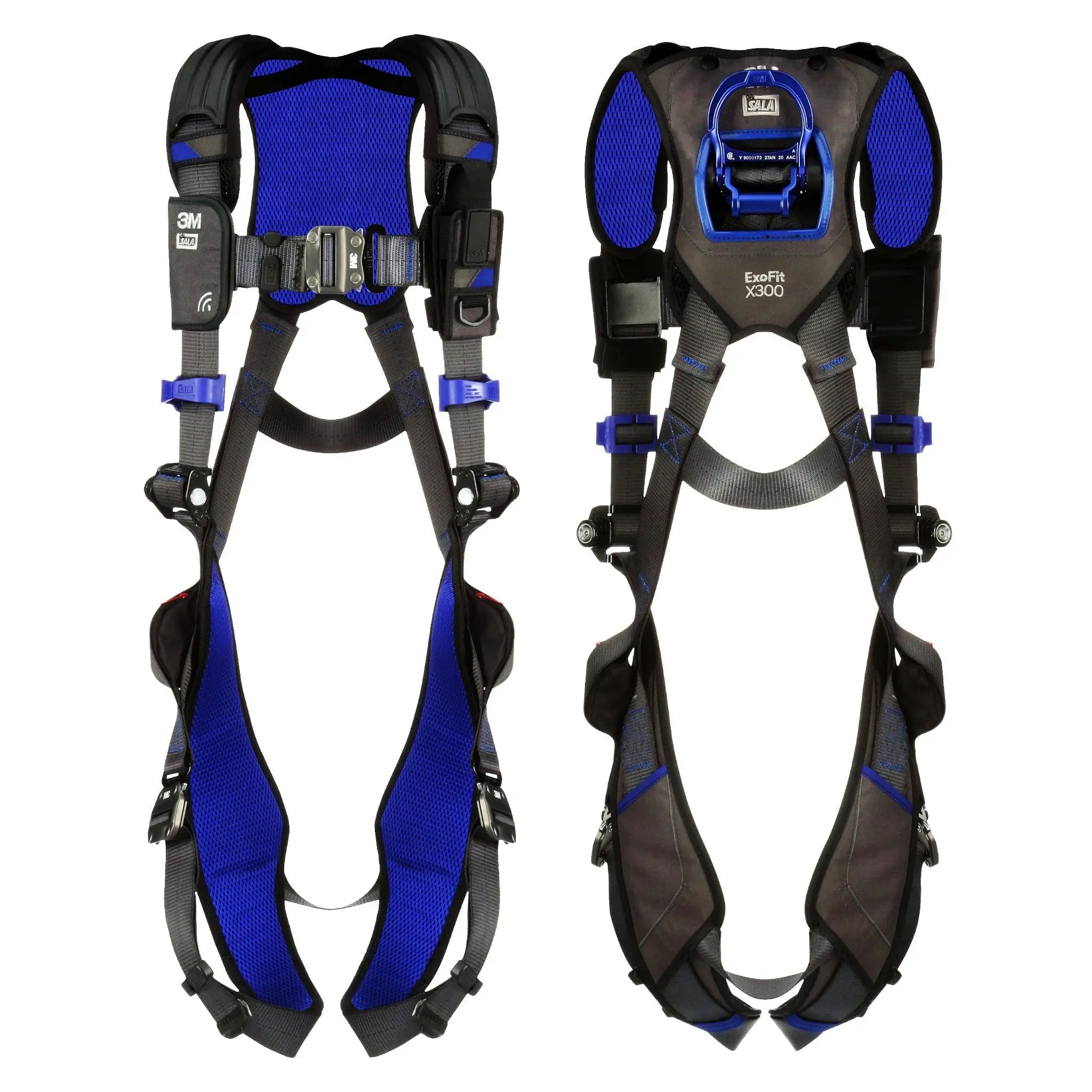
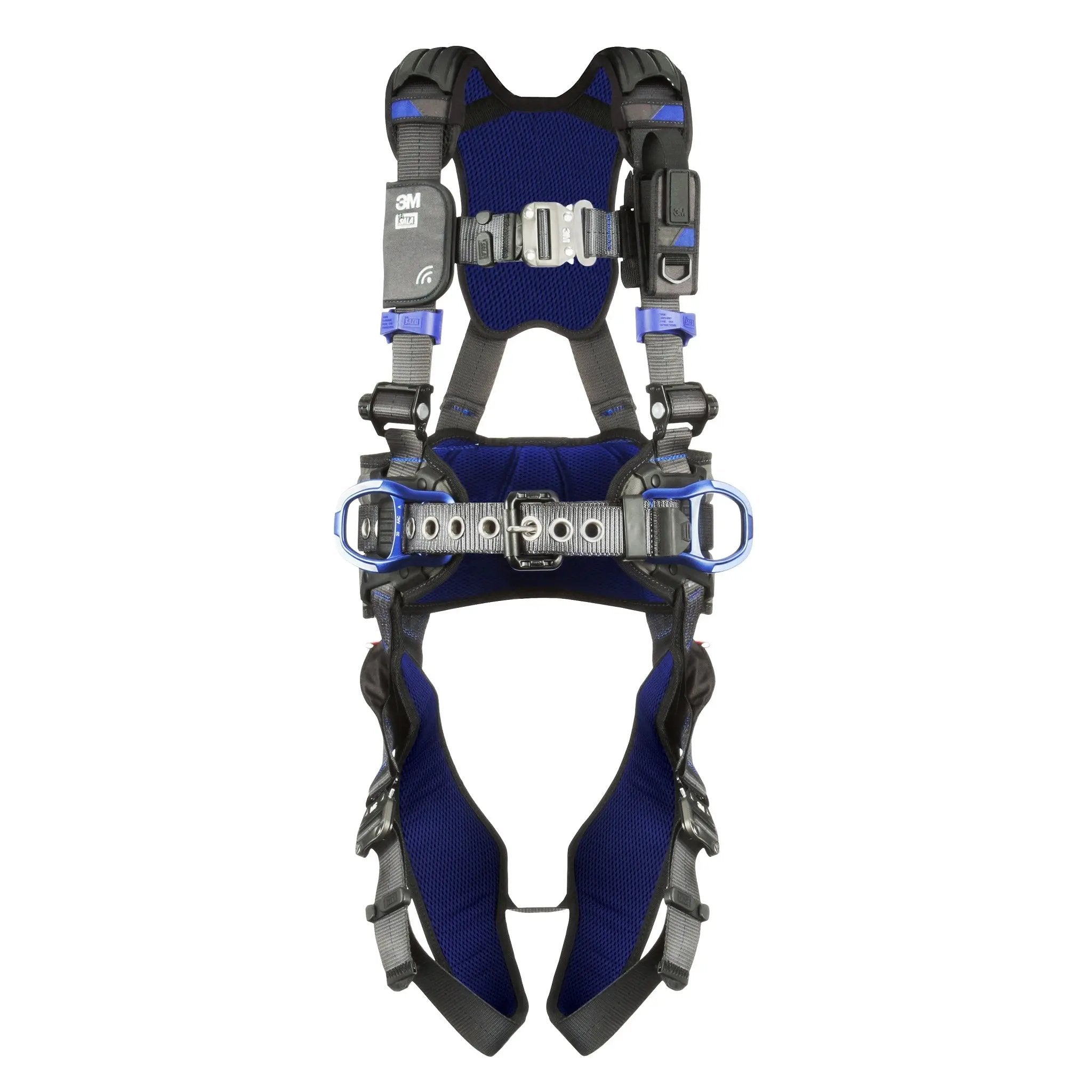
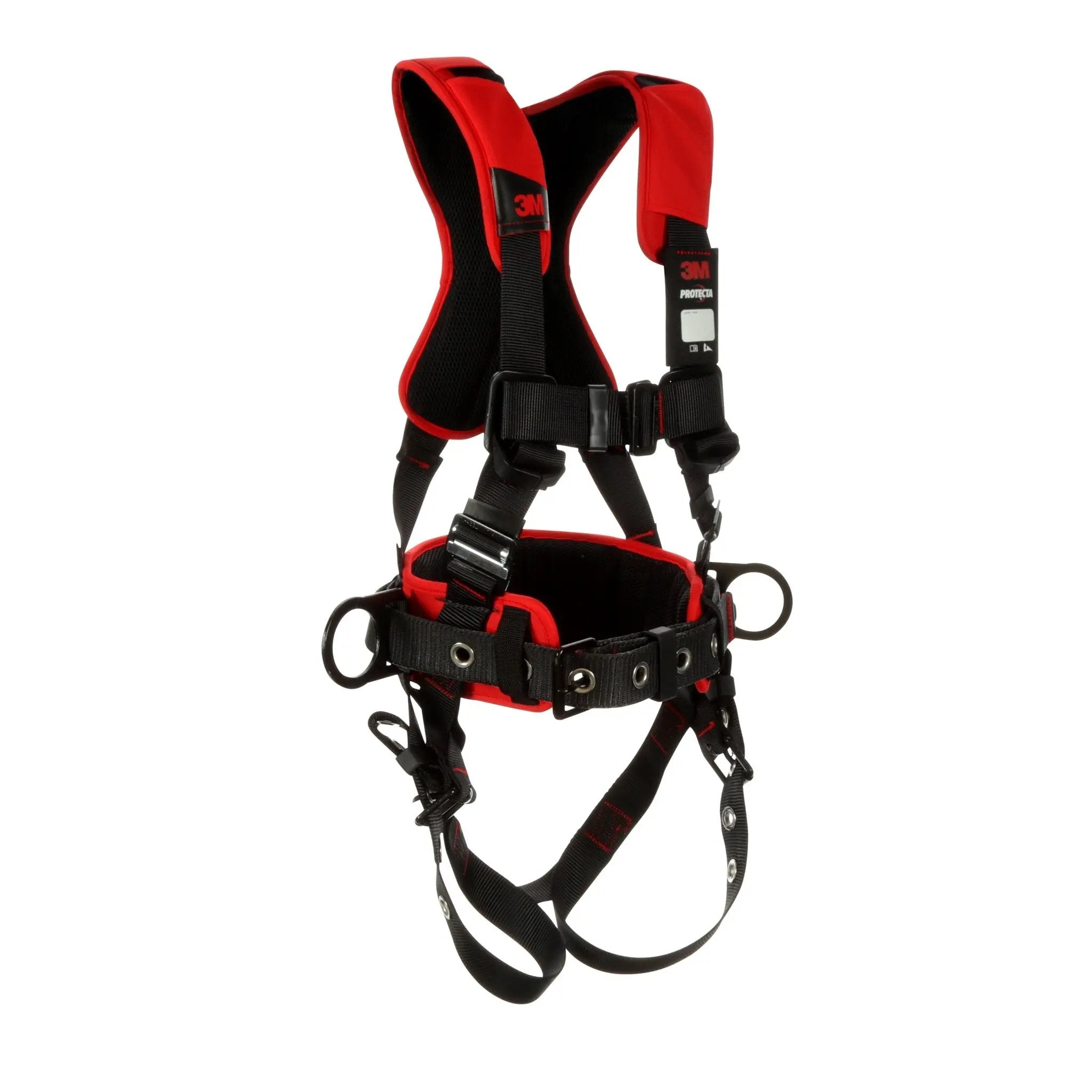
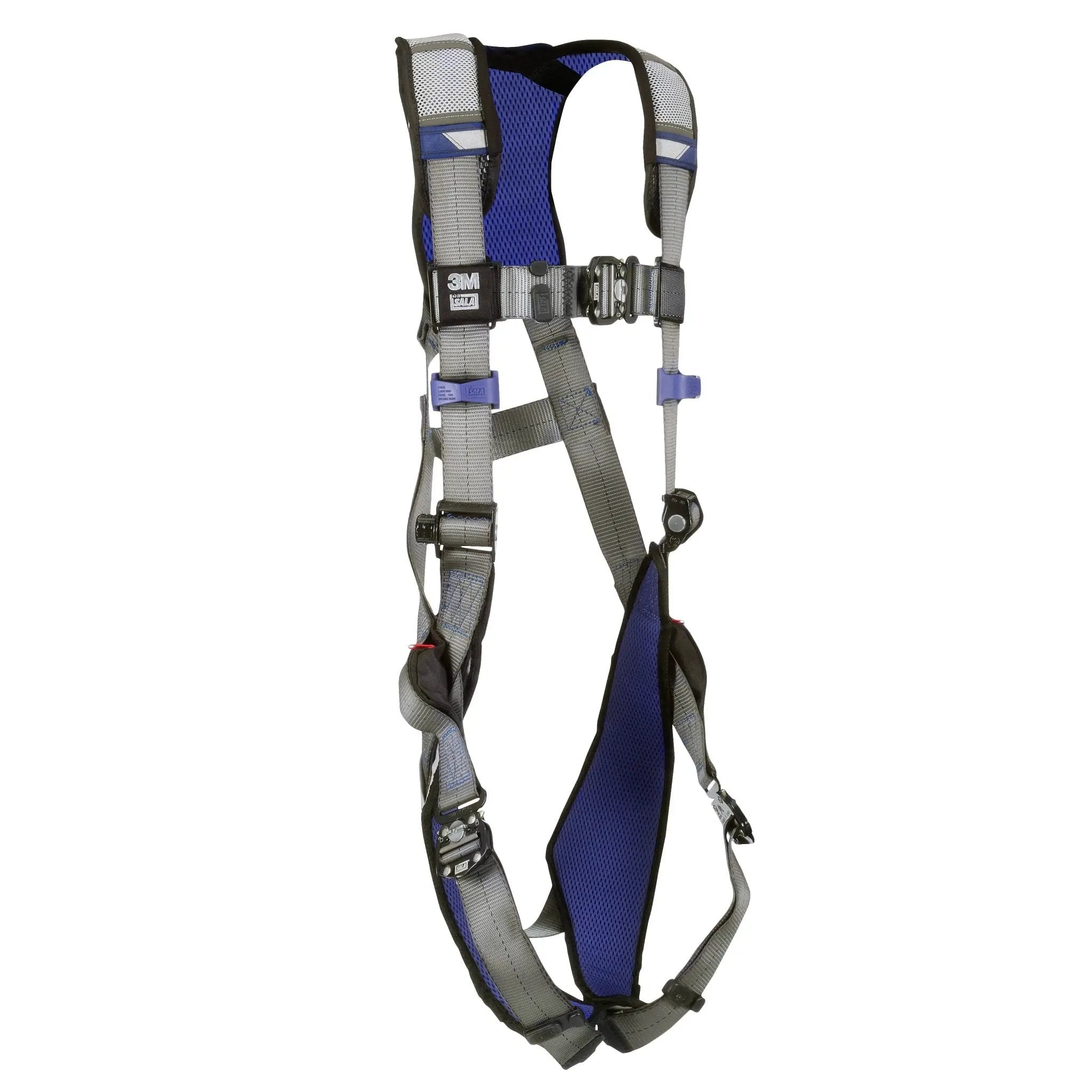
B – Body Support (Harnesses)

Body support equipment keeps workers secure, supported and in a safe position during and after a fall. Comfort, proper fit and ease of use are essential, especially since harnesses are worn for long periods.

Shows a figure hanging from a back D-ring.

General Fall Arrest

Back D-ring for standard fall arrest
Shows a figure climbing, utilizing a front D-ring.

Ladder Climbing Harness

Front D-ring for ladder safety systems
Shows a figure using hip D-rings for hands-free positioning.

Work Positioning Harness

Hip D-rings for hands-free positioning
Shows a figure being lifted/rescued via shoulder D-rings.

Confined Space Harness

Shoulder D-rings for vertical rescue
Shows a figure suspended from a front D-ring.

Descent & Suspension Harness

Front D-ring for controlled descent and suspension

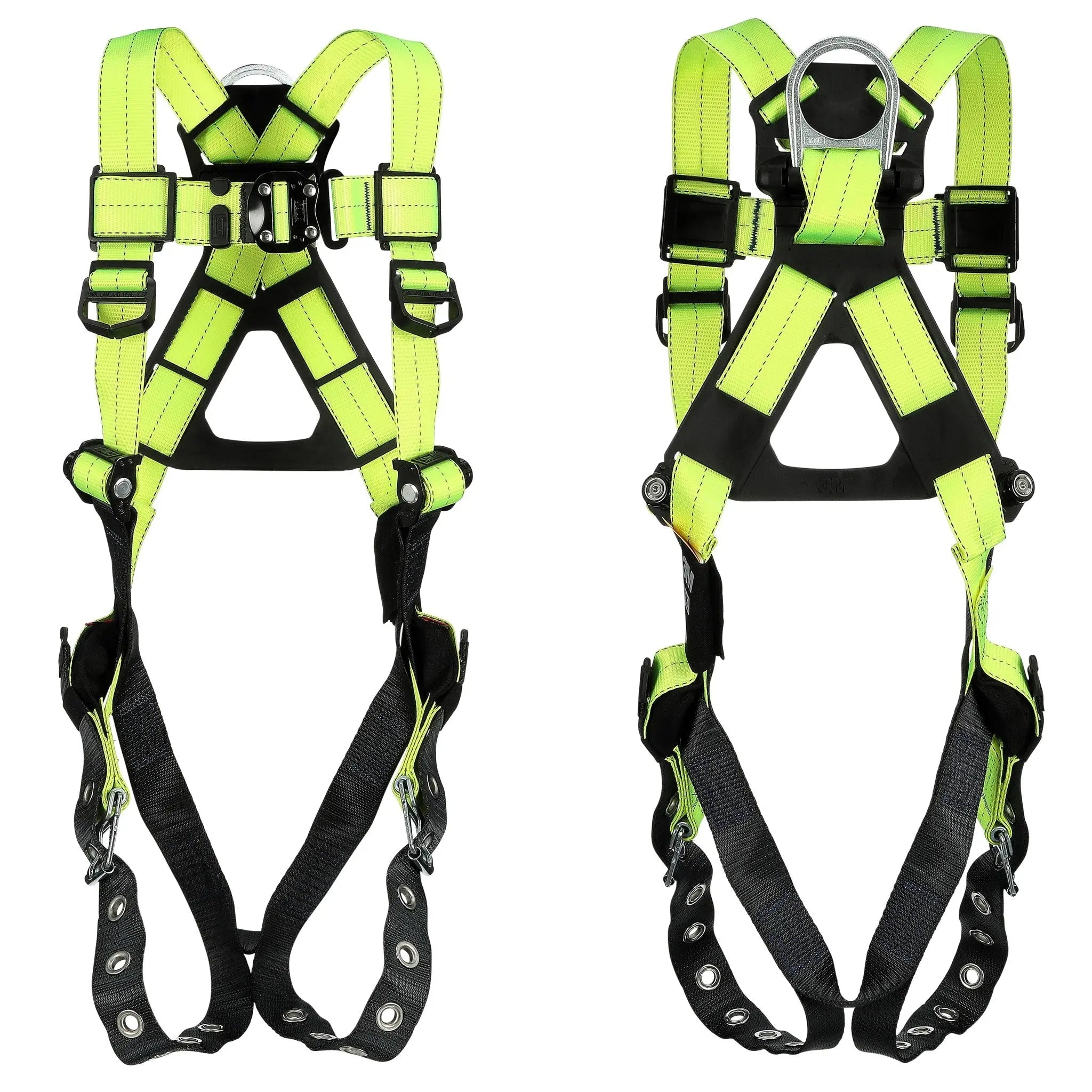
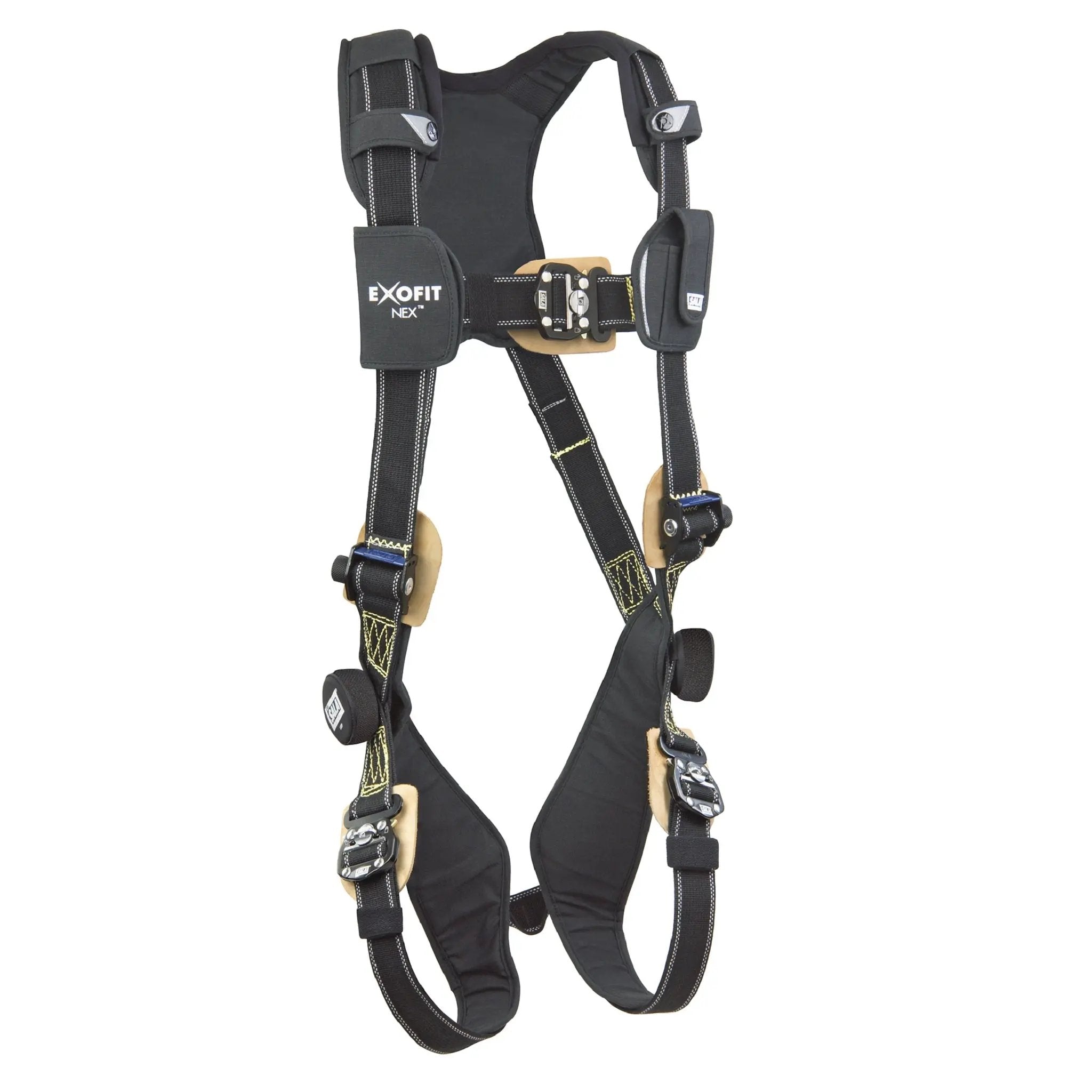
Shop Safety Harnesses

View all

C – Connectors

Connectors link the worker’s harness to the anchor point. The right connector ensures safety, mobility and proper fall clearance for the specific job environment.

What kind of connector do I need?

This image shows a worker on a construction site secured by a twin-leg, shock-absorbing safety lanyard attached to their harness. Lanyards come in positioning or shock-absorbing forms, controlling worker movement and limiting fall arrest forces.

Lanyards

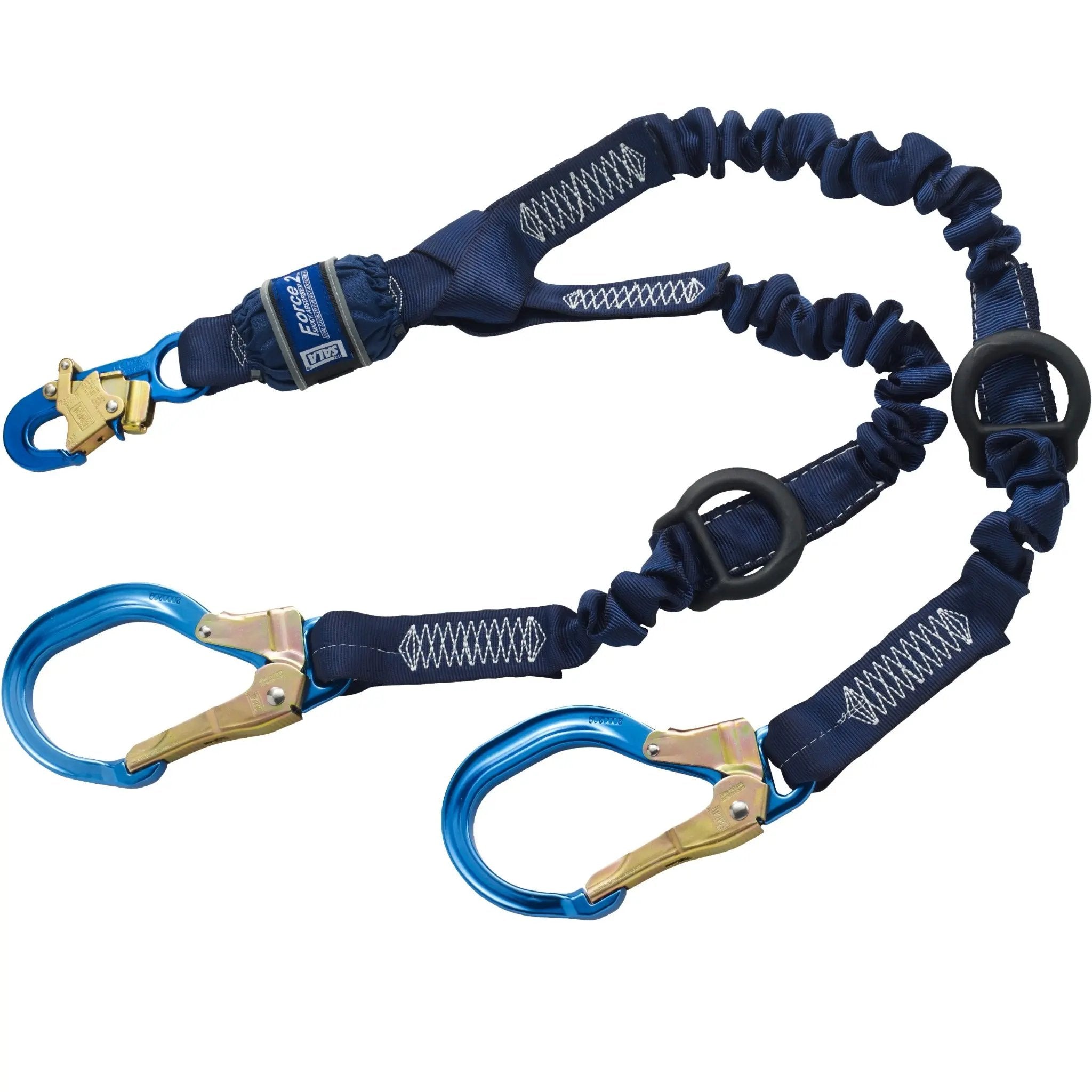
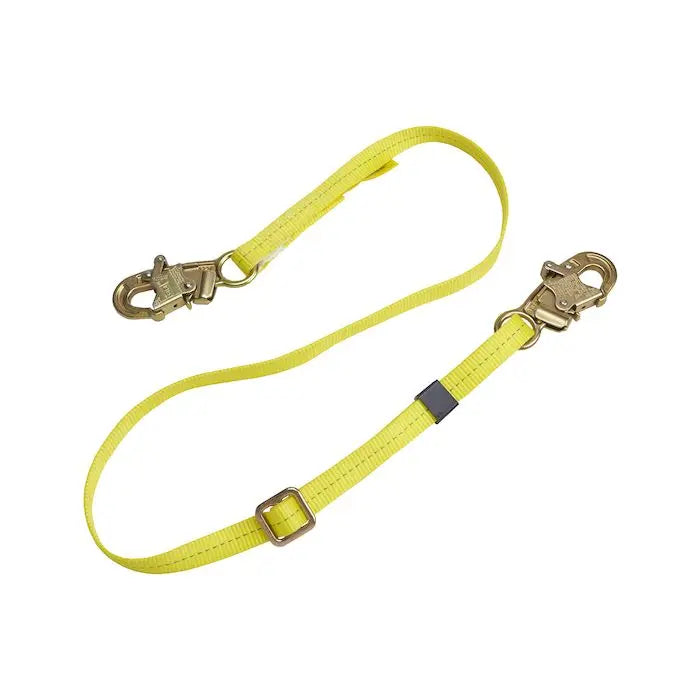
Lanyards can come in the form of positioning lanyards, which control where a worker can go to keep them from hazards or shock-absorbing lanyards that contain an energy absorbing unit to limit fall arrest forces experienced by a worker during a fall.
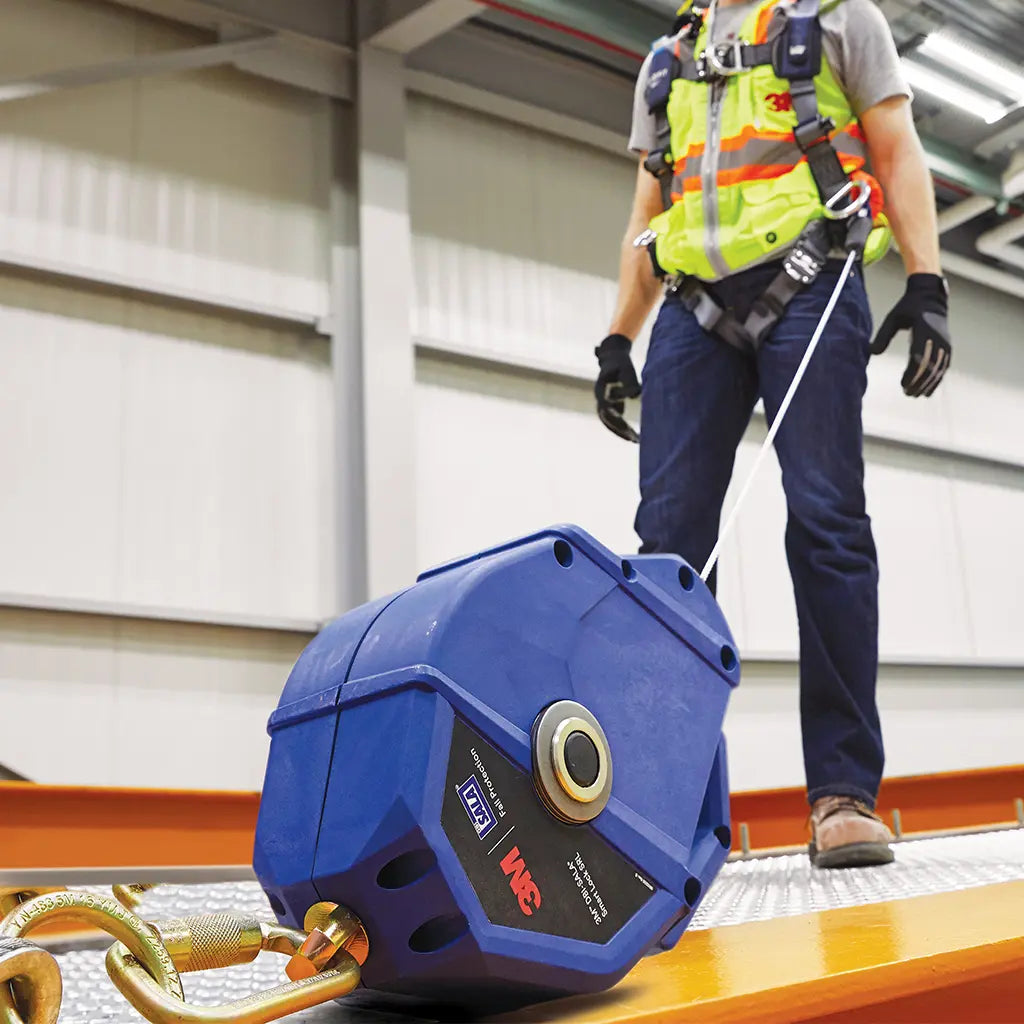
This image depicts a worker on a grated platform using a Self-Retracting Lifeline (SRL) unit to secure their movements. SRLs retain tension on the lifeline, which minimizes trip hazards, shortens the fall distance, and improves worker mobility.

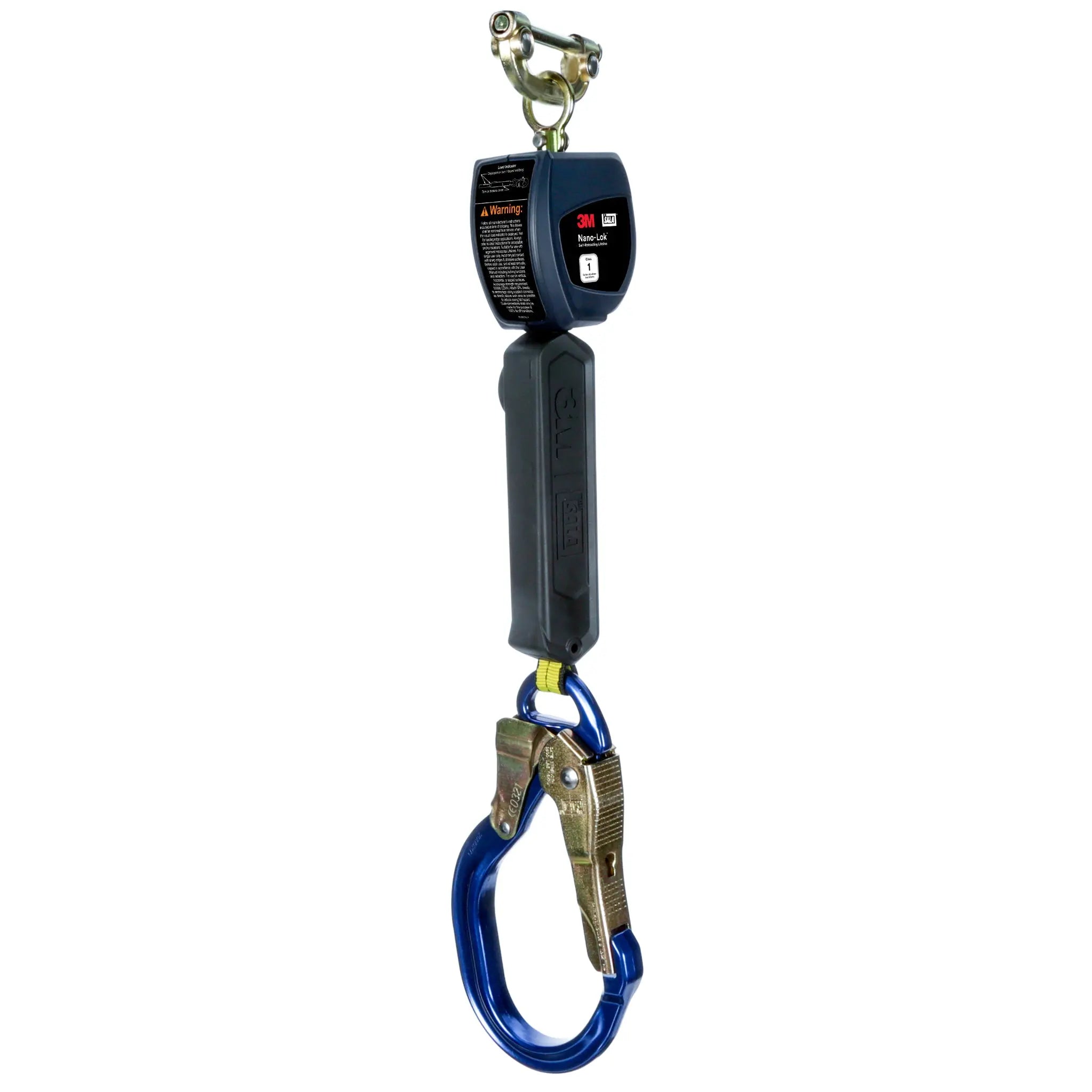
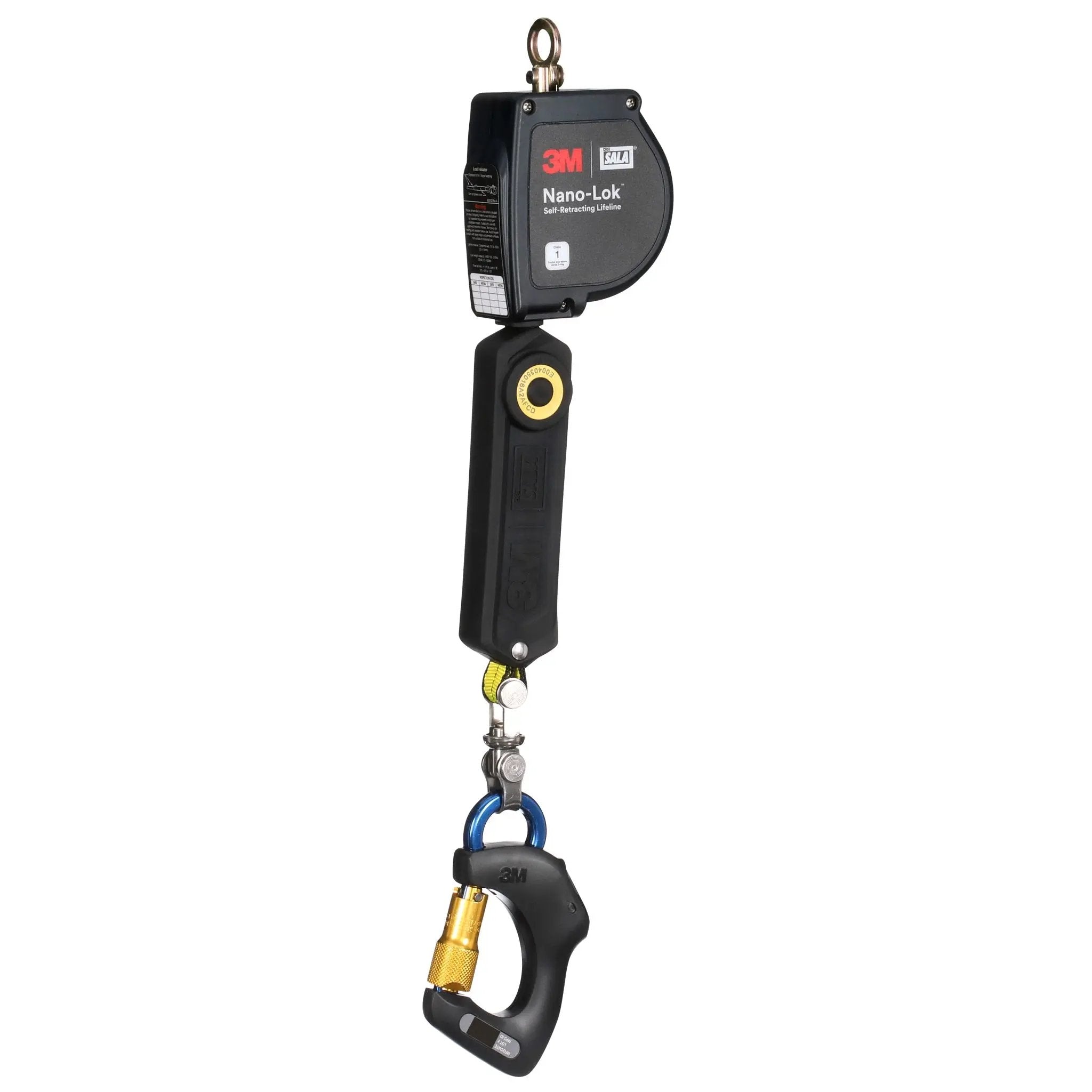
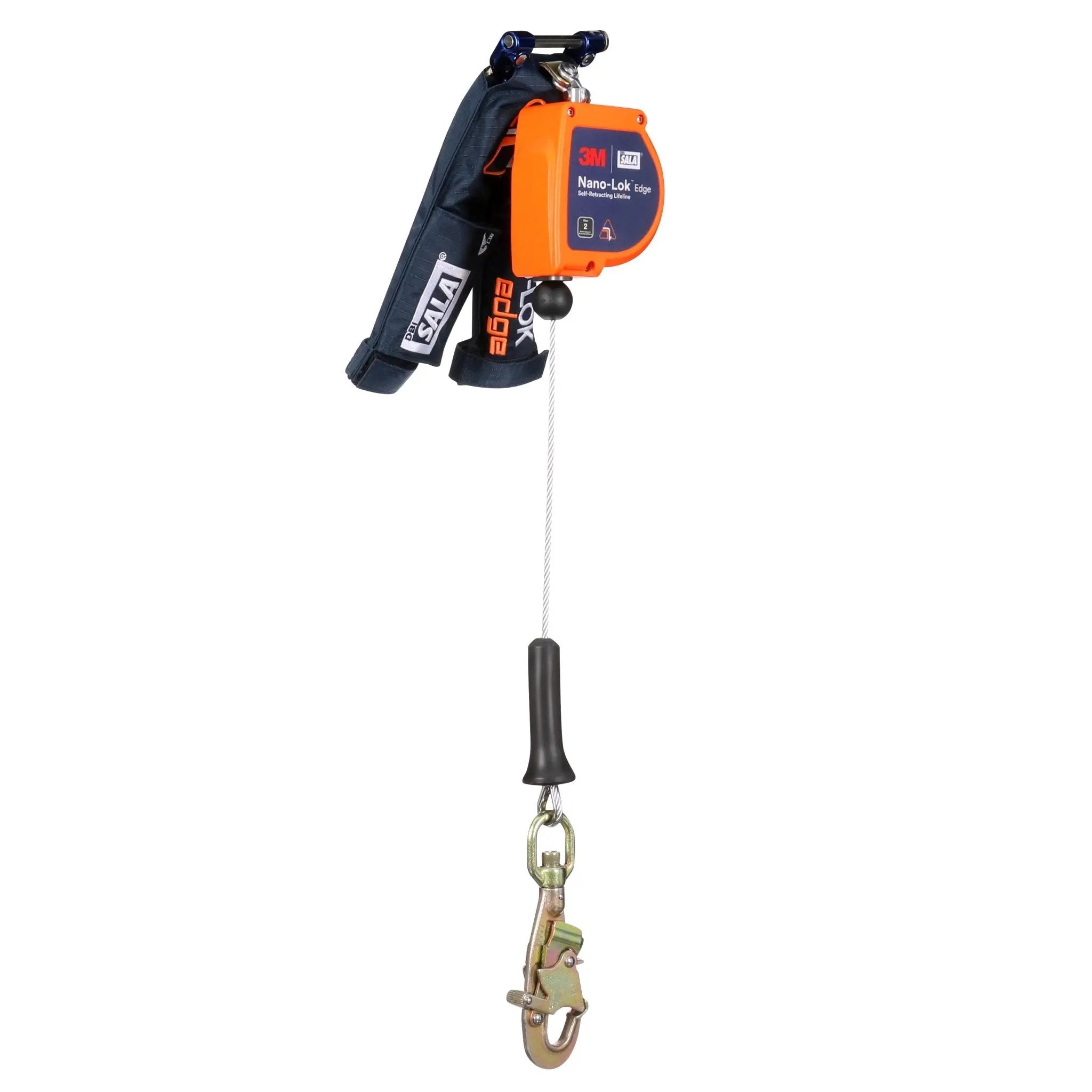
Self-Retracting Lifelines (SRLs)

Self-retracting lifelines retain tension on the lifeline at all times, staying out of the worker’s way while providing safety. This helps shorten the fall distance and minimize trip hazards and also offers greater mobility and maneuverability, which may help increase productivity. Lengths range from 6 to 175 feet.

Shop Lanyards

View all
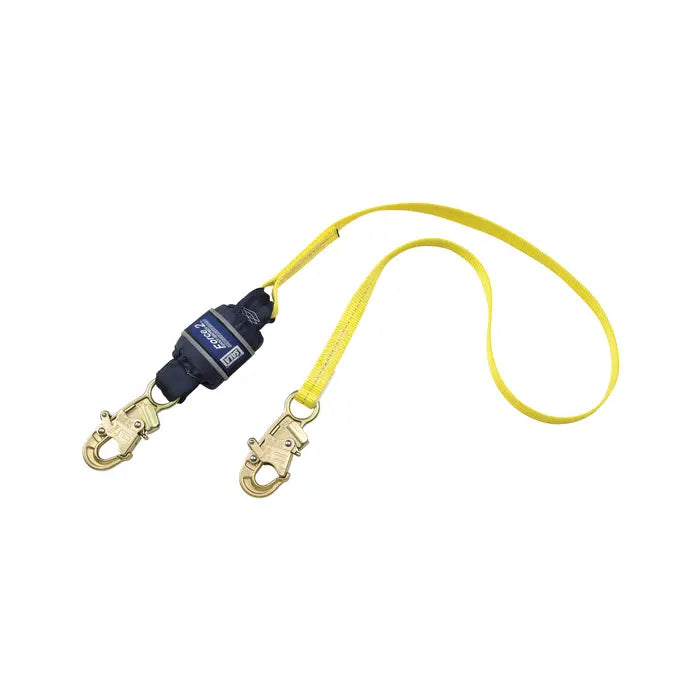
3M DBI-Sala 7100157129 1246032 Force2 Elastic 100% Tie-Off Shock Absorbing Lanyard 6 ft. (1.8m) 
3M Protecta 1340121 PRO Stretch Shock Absorbing Lanyard
Sale price$93.89 Regular price$103.28
3M DBI-SALA 1246167  Force2 Shock Absorbing Lanyard
3M DBI-SALA 1246167 Force2 Shock Absorbing Lanyard
Sale price$177.19 Regular price$194.91
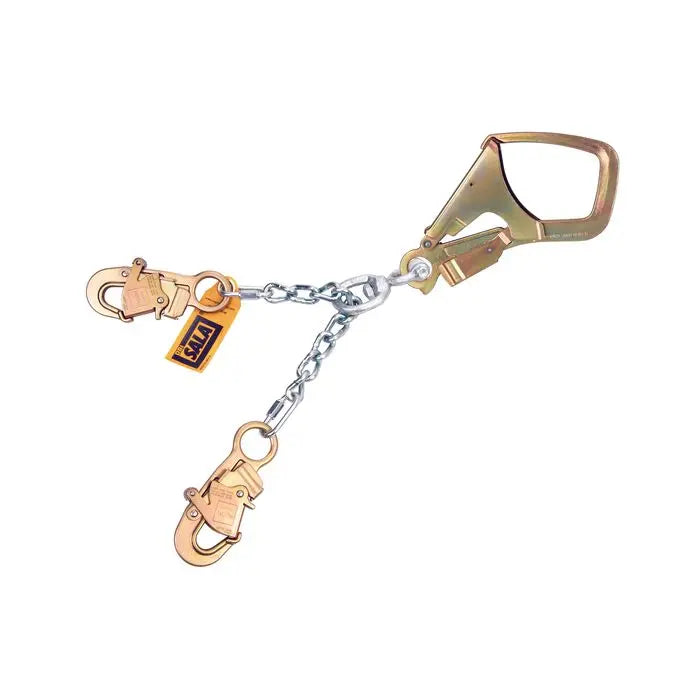
3M DBI-SALA 5920059 Chain Rebar/Positioning Lanyard
Sale price$324.19 Regular price$356.61
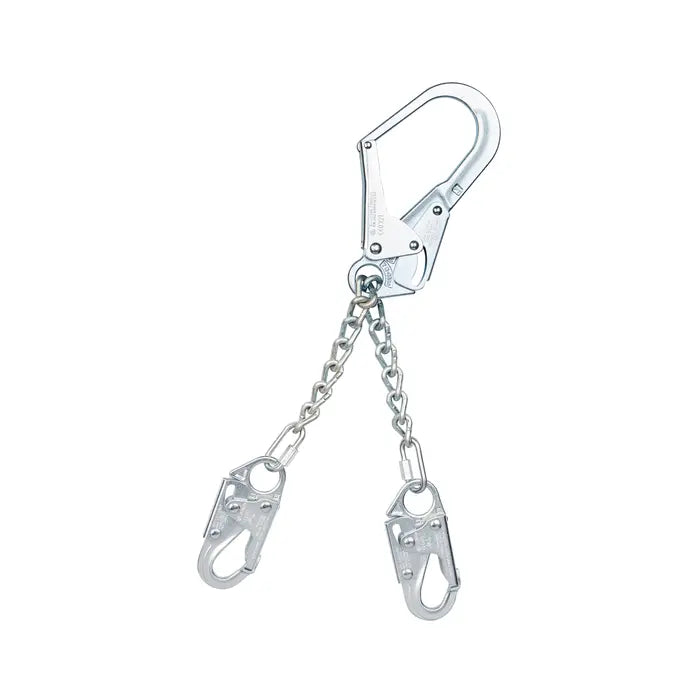
3M Protecta 1350200 PRO Chain Rebar/Positioning Lanyard
Sale price$82.59 Regular price$90.85
3M DBI-SALA 1231016 Web Adjustable Positioning Lanyard
Sale price$127.09 Regular price$139.80

Shop SRL's

View all

D – Descent & Rescue

Every workplace at height needs a solid rescue plan. Descent and rescue systems allow workers to evacuate themselves or be retrieved quickly and safely after a fall.

What kind of descent and rescue system do I need?

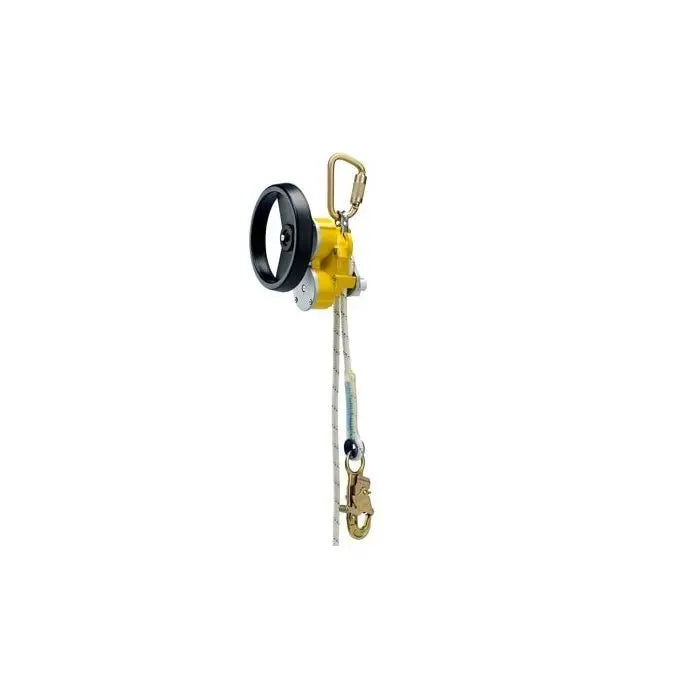
This image shows a yellow automatic or user-controlled device used to lower a worker down a rope from a great height. These specialized devices help either lower workers to safety or raise a fallen worker when a rescue is necessary.

Rescue & Descent Devices

Automatic or user-controlled systems that help lower workers to safety or raise a fallen worker when needed.
This image depicts a complex retrieval scenario using specialized equipment to vertically lift a worker from a restricted space. The equipment is designed specifically for vertical or horizontal entry points where movement and access are limited.

Confined Space Entry & Retrieval

Specialized equipment designed for vertical or horizontal entry points where movement and access are restricted.

Shop Descent & Rescue

View all
3M DBI-SALA 3327100 Rollgliss R550 Rescue and Descent Device
Sale price$1,482.79 Regular price$1,631.07
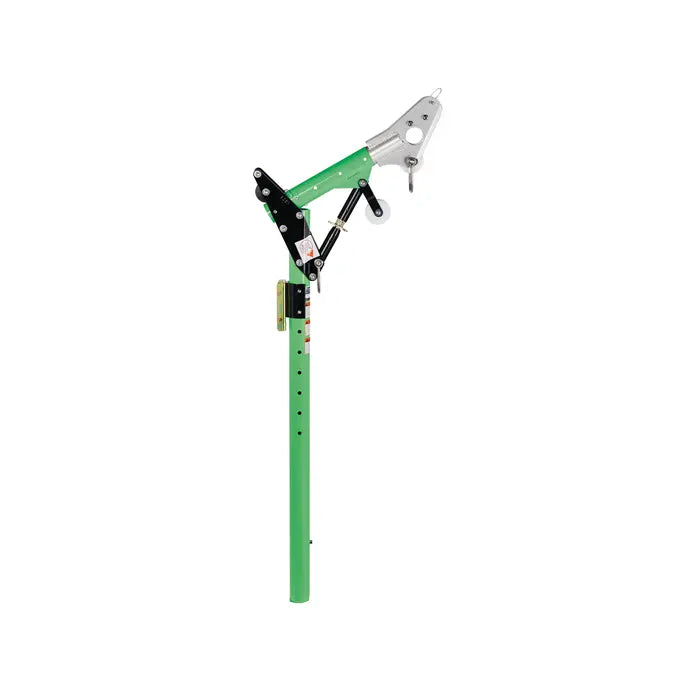
3M DBI-SALA 8518382 Advanced One-Piece Adjustable Offset Davit Mast
Sale price$4,403.69 Regular price$4,844.06
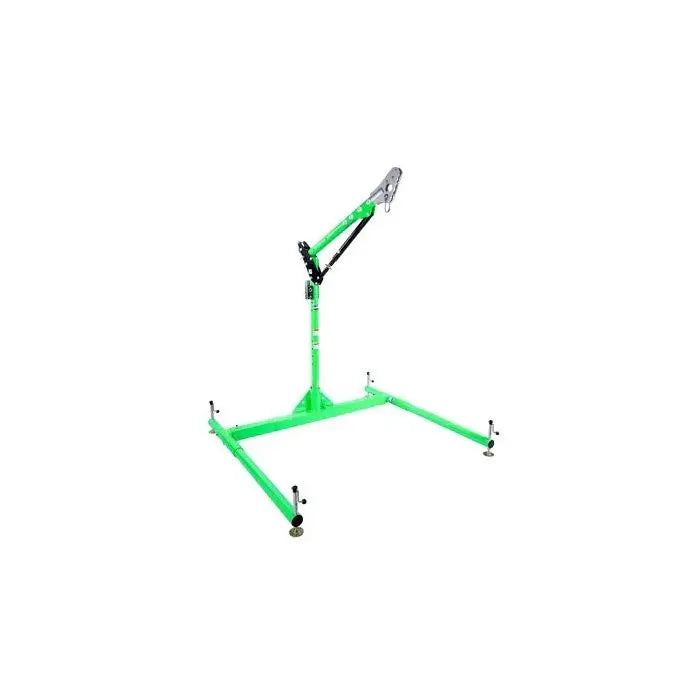
3M DBI-SALA 8518040 Advanced 5-Piece Davit Hoist System
Sale price$10,008.69 Regular price$11,009.56
3M DBI-SALA 8516824 Advanced Davit Quick Release Mounting Bracket
3M DBI-SALA 8518006 Advanced Adjustable Offset Upper Davit Mast
Sale price$4,033.29 Regular price$4,436.62
3M DBI-SALA 8518005 Advanced 3-Piece Portable Davit Base
Sale price$3,653.69 Regular price$4,019.06
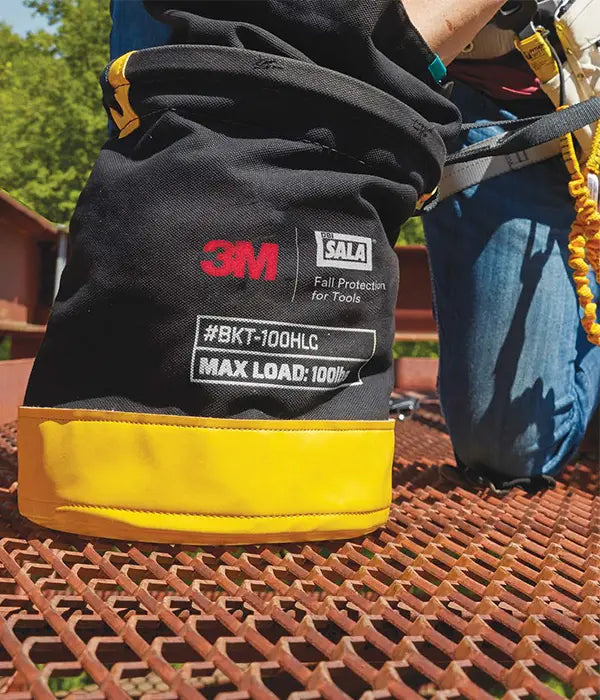
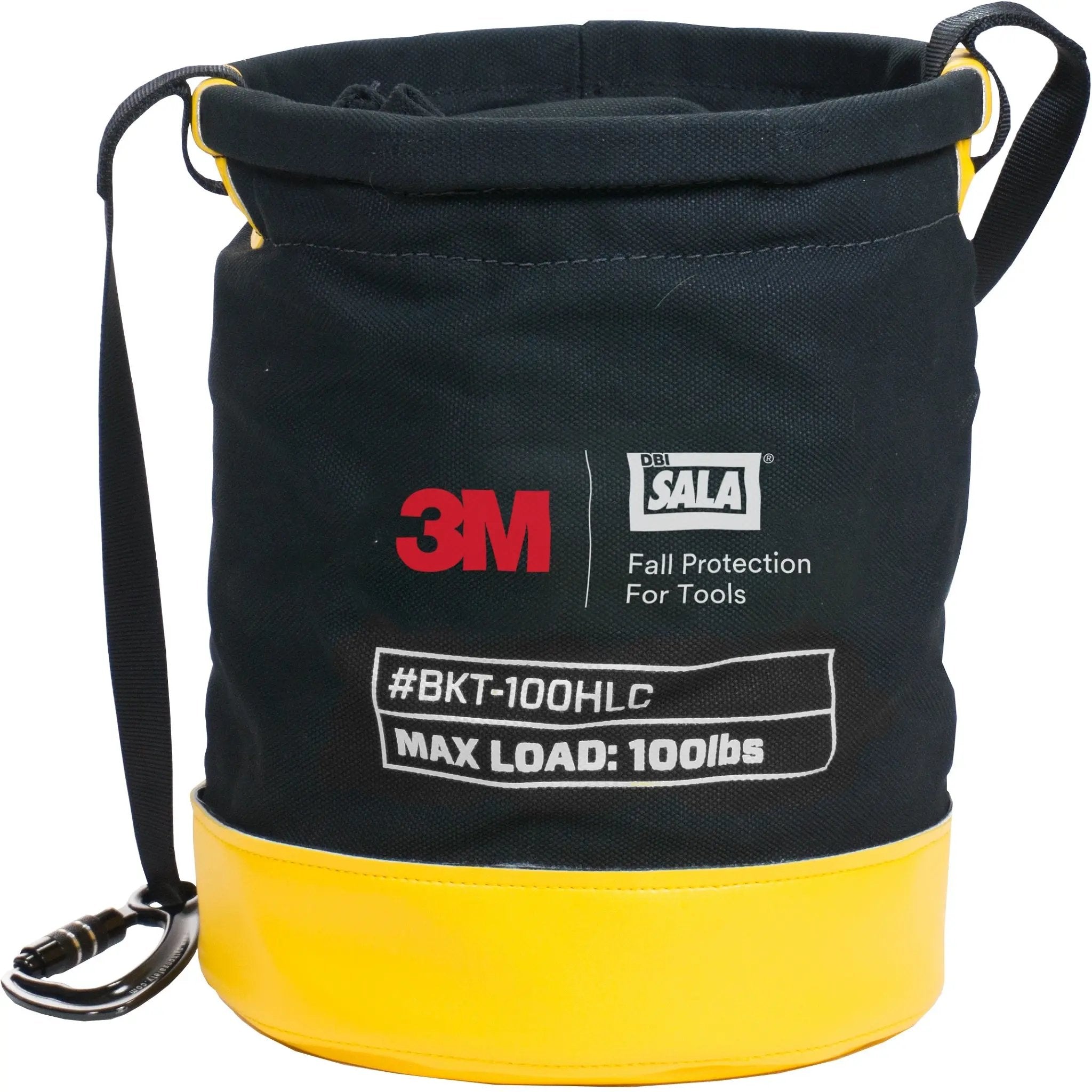
A close-up shot of a black and yellow 3M DBI-SALA tool bucket being used by a worker kneeling on a metal grate surface. The markings on the side indicate the model #BKT-100HLC and a MAX LOAD: 100lb limit.

Fall Protection for Tools

Working at height isn’t just about protecting workers from falls—dropped tools can also injure people below and damage equipment. Fall protection keeps you safe, while dropped object prevention protects everyone around you.
Common Dropped Object Hazards

Dropped objects can happen when:

  • Tools are left near edges
  • Items are stored in open pockets, bags or pouches
  • Wind or movement knocks tools loose

Shop Fall Protection for Tools
View all
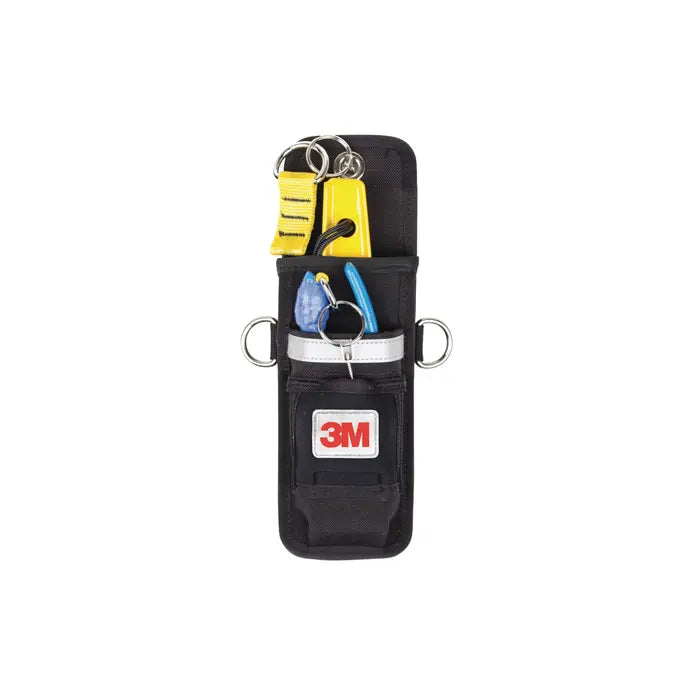
3M DBI-SALA 1500107 Dual Tool Holster with 2 Retractors, Belt
Sale price$138.89 Regular price$152.78
3M DBI-SALA 1500108 Dual Tool Holster, Harness
Sale price$67.29 Regular price$74.02
3M DBI-SALA 1500050 Hook2Loop Tool Lanyard, Medium Duty
Sale price$44.69 Regular price$49.16
3M DBI-Sala 1500048 Hook2Loop Bungee Tether, Yellow, Pack of 10 
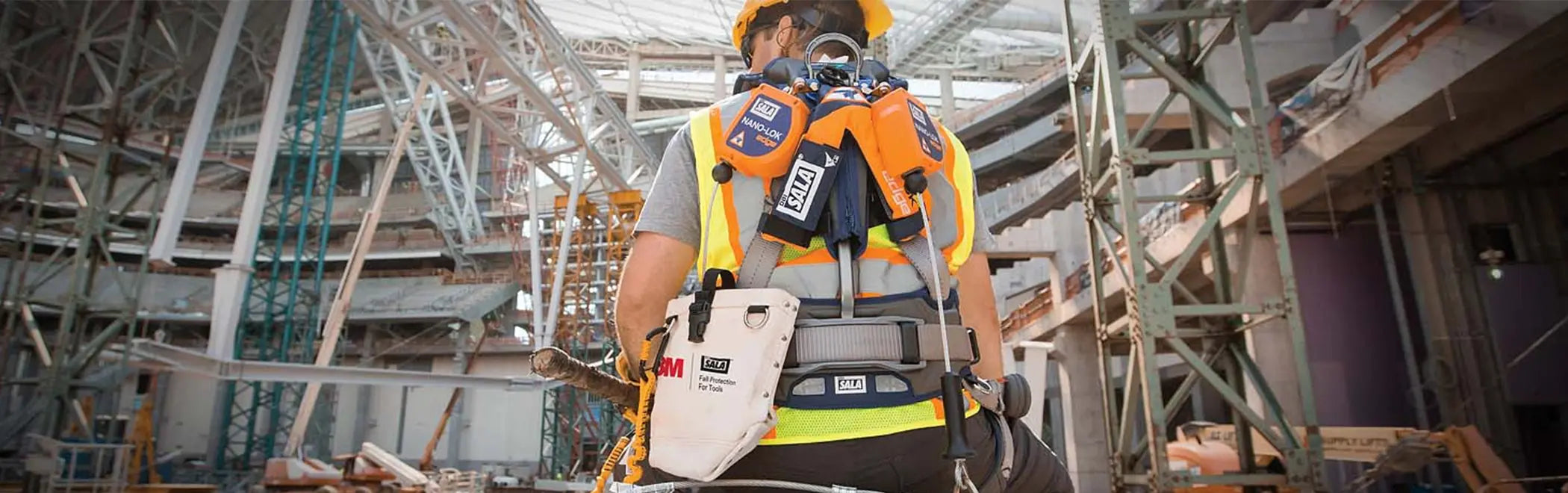
A construction worker is viewed from behind, wearing a high-visibility vest, helmet, and a full-body safety harness at a large indoor construction site. He has several pieces of safety equipment and tool bags attached to his harness, including orange and white DBI-SALA brand accessories.

Construction

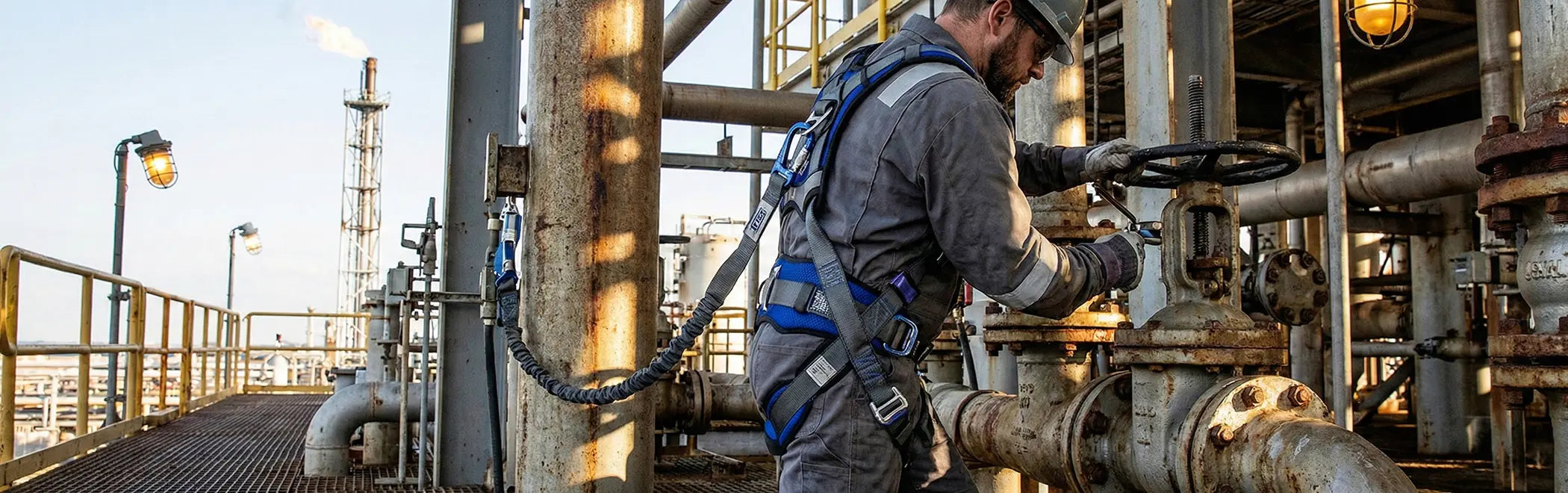
An oil and gas worker in a grey jumpsuit and helmet is operating a large industrial valve on complex piping at a refinery or processing plant. He is wearing a blue and grey full-body safety harness with an attached self-retracting lifeline in an outdoor setting.

Oil and Gas

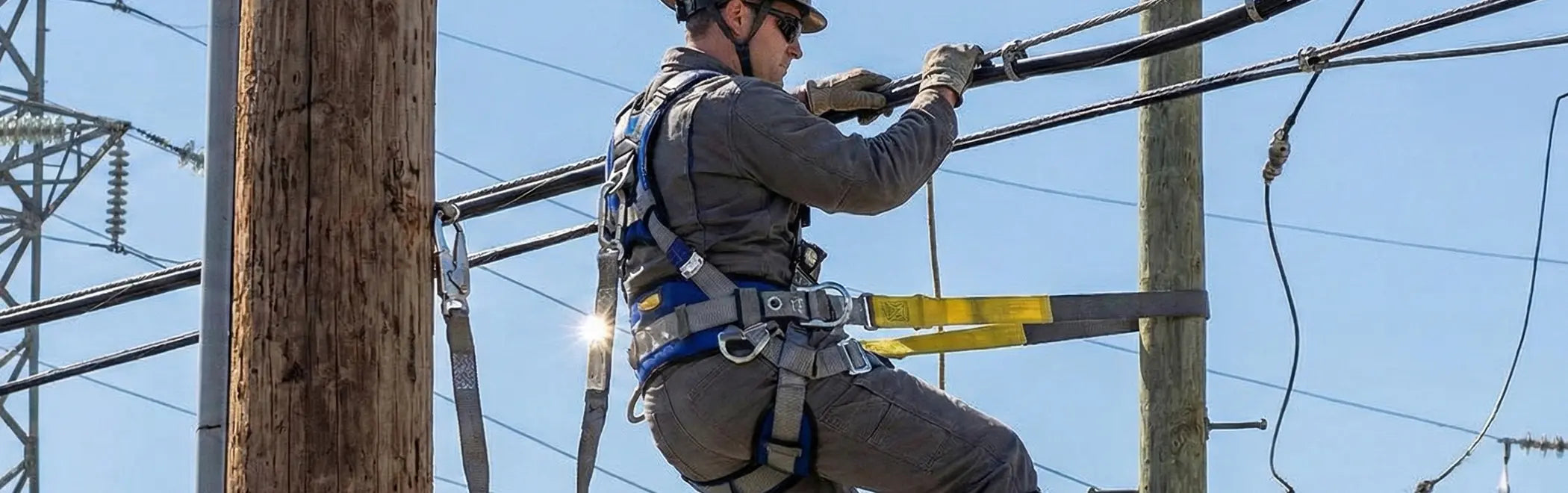
A utility worker wearing a full-body harness and helmet is climbing a wooden utility pole while holding onto electrical cables overhead. He is also secured by a yellow and black positioning lanyard around the pole to safely maintain his elevated position.

Utilities

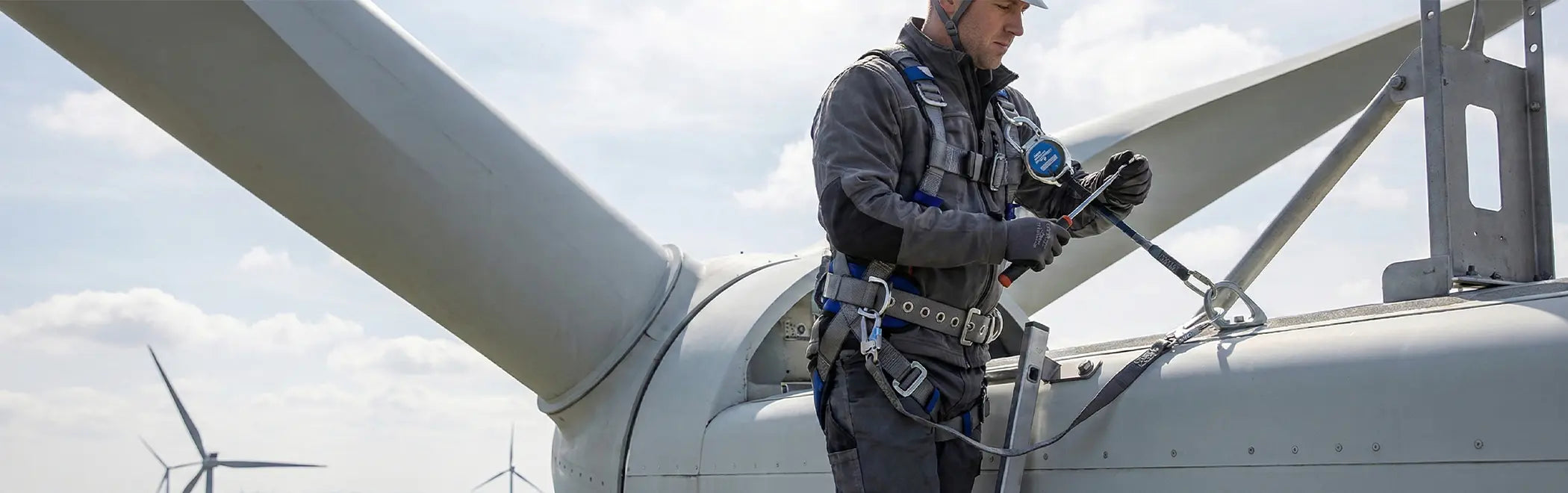
A technician is standing on a large wind turbine blade, adjusting equipment with a tool under a bright, cloudy sky. He is wearing a grey and black full-body harness and a helmet, secured to an anchor point on the turbine structure.

Wind Energy

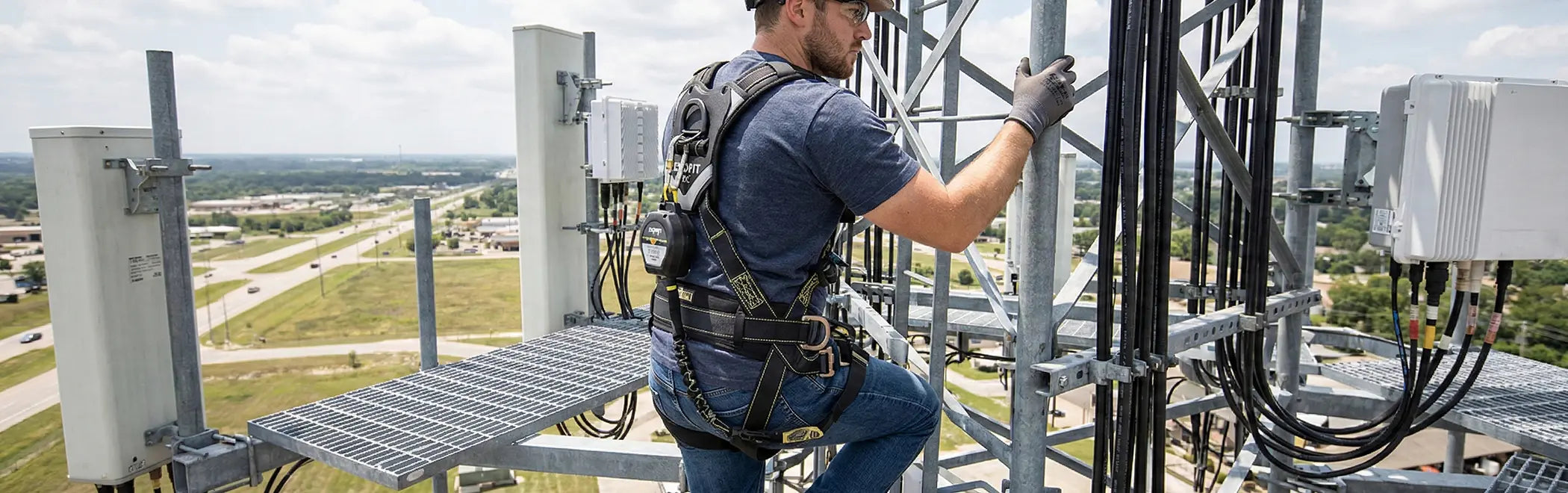
A telecommunications worker, wearing a dark blue shirt and a black full-body harness, is climbing a metal support structure on a cell tower high above a city landscape. He is surrounded by bundled cables and metal grating platforms, likely secured by a personal fall arrest system.

Telecommunications

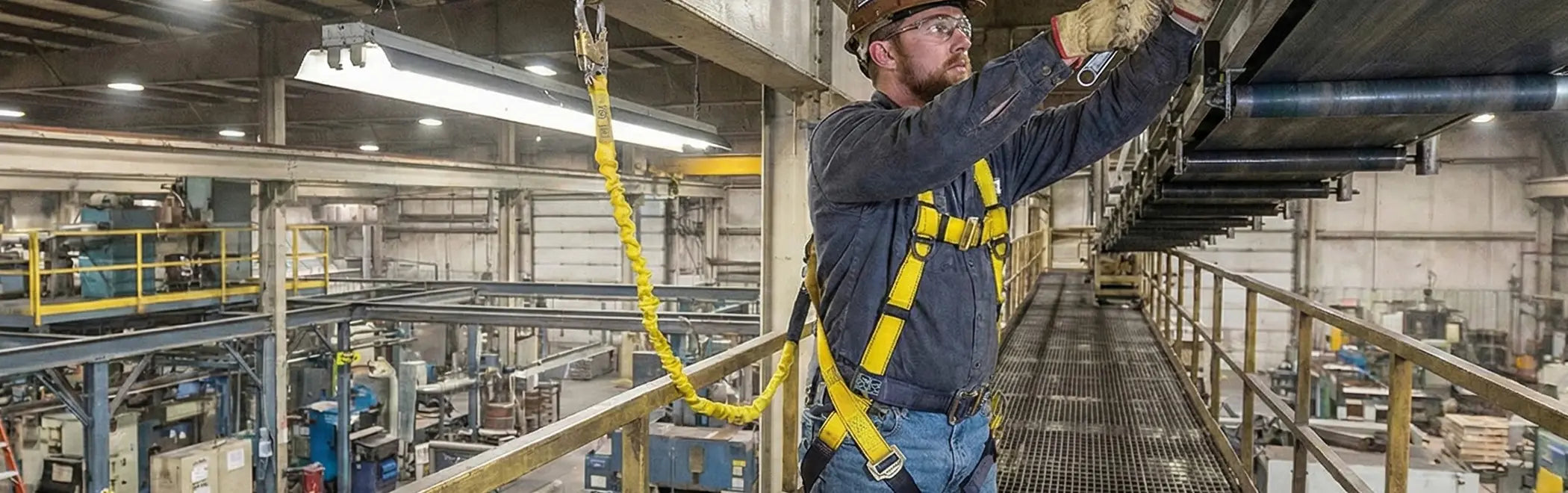
A manufacturing worker in a hard hat and safety glasses is performing maintenance on overhead equipment in an industrial indoor facility. He is secured by a yellow full-body safety harness and a matching yellow lanyard attached to an anchor point above a metal grate walkway.

Manufacturing

How 3M Fall Protection Ensures Compliance with OSHA & ANSI Regulations

3M fall protection products are built to meet or exceed the strict requirements of ANSI Z359, OSHA 1910 and OSHA 1926 standards. Every harness, anchor, SRL and connector is engineered, tested and certified to keep workers safe at height.

OSHA (Occupational Safety and Health Administration)

OSHA sets legally required workplace safety regulations.
For fall protection, OSHA:

  • Requires fall protection at 6 ft in construction and 4 ft in general industry
  • Defines mandatory equipment requirements
  • Establishes anchor strength rules (5,000 lbs per worker or engineered system)
  • Enforces compliance with fines and penalties

If you’re on a jobsite, OSHA compliance isn’t optional.

ANSI (American National Standards Institute)

ANSI creates voluntary but highly trusted equipment standards, like the ANSI Z359 series, which guide:

  • How fall protection equipment must perform
  • How it should be tested
  • How systems should be used safely

While voluntary, ANSI standards:

  • Are widely recognized across construction & industrial worksites
  • Often influence or complement OSHA regulations
  • Are required by many contractors and safety programs

How to Wear a Body Harness
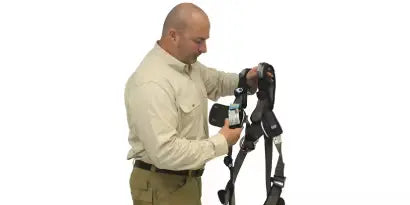
A worker is shown indoors in a light-colored shirt, holding up a full-body safety harness by the back D-ring while inspecting the webbing and tags. This step confirms the harness is free of damage and properly prepared for use before donning.

Inspect the Harness

Check for cuts, burns, damaged hardware or missing labels. Do a full inspection every 6 months.
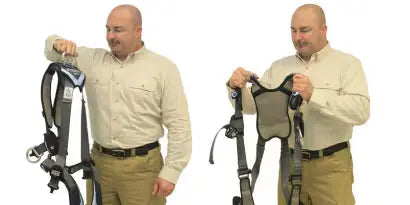
A worker is shown in two side-by-side images, first holding the harness by the back D-ring, and then bending to put his arms through the shoulder straps. This process is like putting on a vest, ensuring the back pad and D-ring are correctly positioned between the shoulder blades.

Slip On the Harness

Hold by the D-ring, untangle straps, undo buckles and put it on like a jacket.
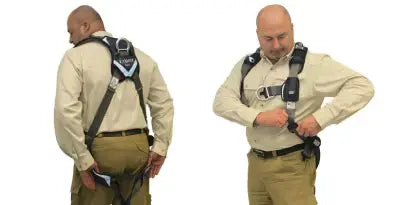
A worker is shown in two images: one from the rear adjusting the sub-pelvic strap below the buttocks, and one from the front adjusting the strap in the groin area. This adjustment ensures proper positioning of the harness in the event of a fall and prevents injury.

Position the Sub-Pelvic Strap

Adjust shoulder straps so the sub-pelvic strap sits right under the buttocks and both sides are even.
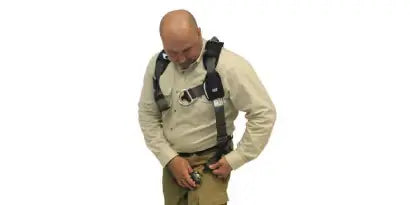
A worker, with the shoulder straps on, is shown bending over to securely fasten one of the leg straps using a quick-connect buckle. He is making sure the straps are positioned correctly to protect the upper legs and groin area.

Buckle the Leg Straps

Bring straps between the legs, buckle them and tighten flat-hand tightness is ideal.
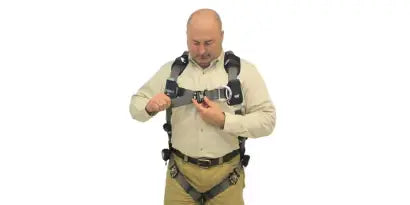
A worker is shown fastening and adjusting the front chest strap buckle to ensure a snug and centered fit across the sternum. He is also adjusting the harness waist belt, which should sit just above the hips.

Adjust Chest Strap & Waist Belt

Chest strap should sit mid-chest; shoulder straps stay vertical. Buckle and flatten the waist belt.
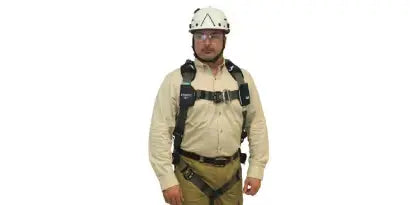
A worker wearing the fully adjusted harness and a white safety helmet is standing and looking directly at the camera. This final step involves verifying that all straps are snug, buckle connections are secure, and the back D-ring is correctly centered.

Final Fit Check

Tighten everything evenly. The harness should be snug, secure and comfortable.

Frequently Asked Questions

Fall protection gear doesn’t have a universal “expiration date” but it must be removed from service if it shows signs of damage, fails inspection or has been involved in a fall. Always follow the manufacturer’s inspection guidelines and your company’s safety policy.

Yes as long as the equipment passes a full inspection and has not been involved in a fall. Any harness, lanyard or SRL that has arrested a fall must be immediately removed from service. Always inspect for wear, cuts, corrosion, broken stitching or missing labels before reusing.

Permanent anchors can be reused if inspected and approved. Some temporary anchors are single-use only. Always follow manufacturer guidance.

A lanyard is a fixed-length connector, while an SRL (Self-Retracting Lifeline) automatically extends and retracts to minimize free fall distance and reduce impact forces.

Choose based on your task:

  • General Use: Standard fall arrest harness
  • Ladder Climbing: Front D-ring
  • Positioning: Side D-rings
  • Confined Space: Shoulder D-rings
  • Suspension/Descent: Front D-ring with additional support points

Most systems are rated for users up to 310 lbs (140 kg) including tools, but many 3M systems are designed for higher capacities. Always check the product specifications.

Yes. OSHA requires workers to be trained in proper use, inspection and hazards of fall protection systems before working at height.

It’s a safety system that prevents tools or equipment from falling and injuring people below. This includes tool tethers, buckets and attachment points.