

Shop DuPont™ Tychem® Coveralls
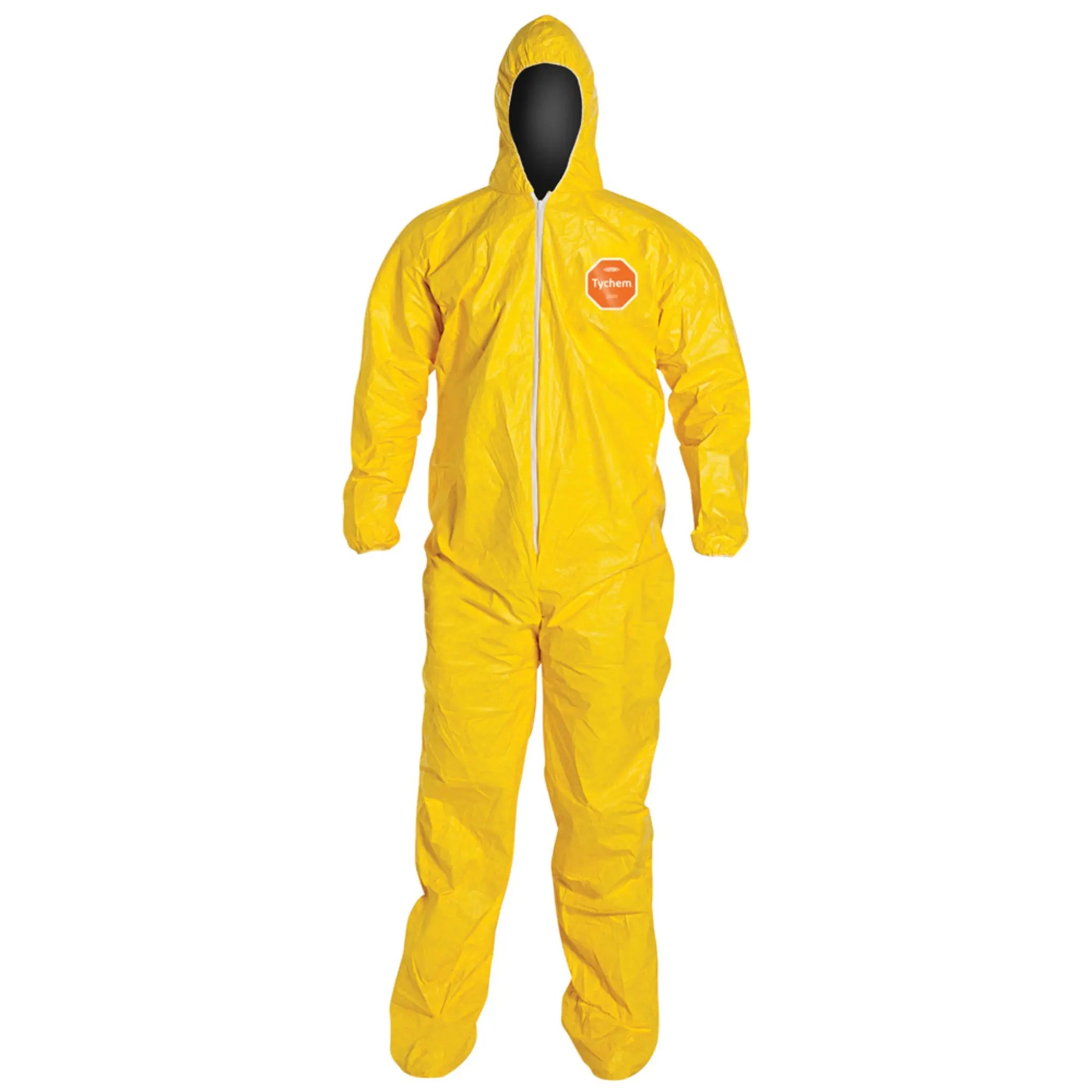


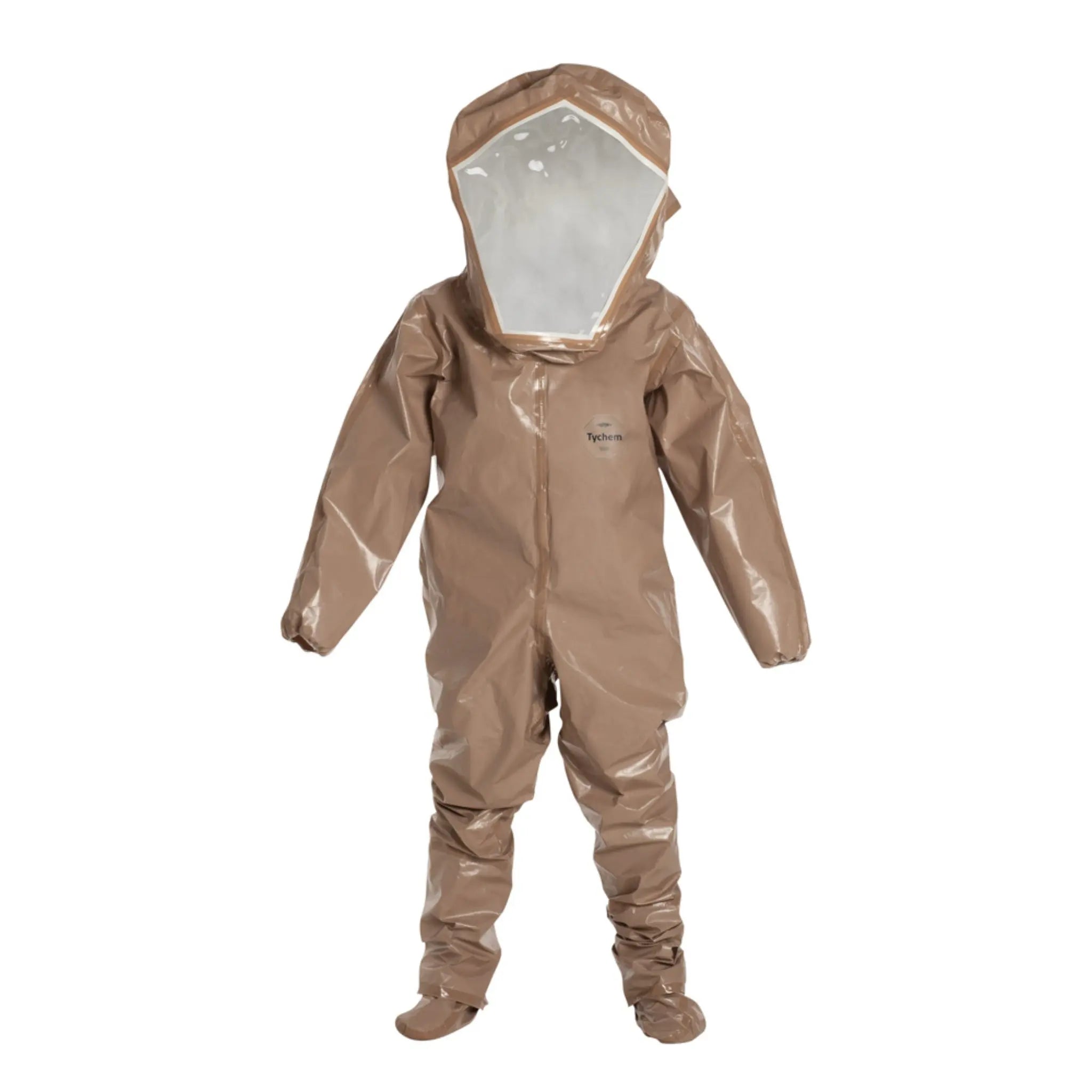

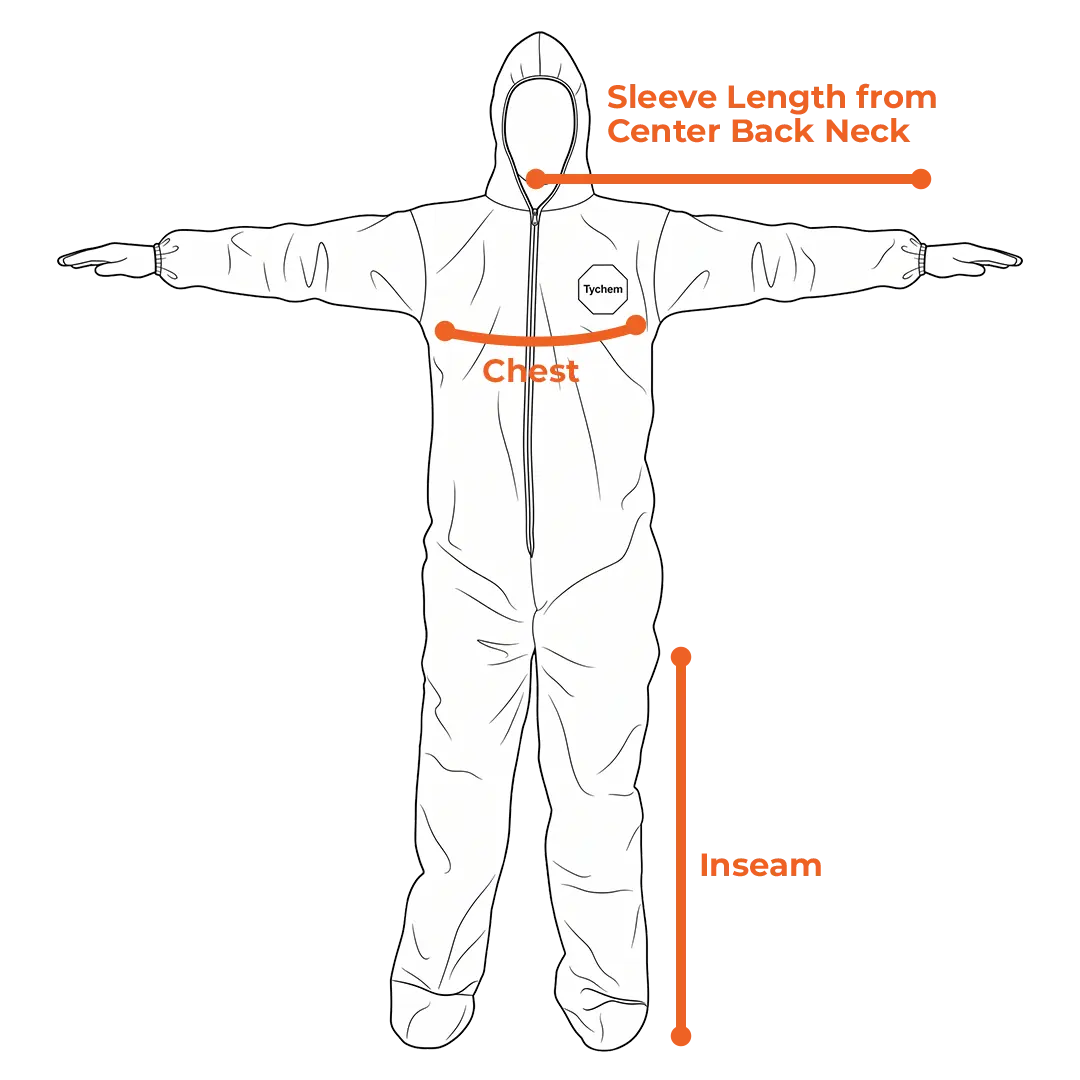
Sizing and Fit Guidance
Find the right fit for your DuPont™ Tychem® protective garments with our sizing and fit guidance resources. Click the size guides below to view sizing information for each Tychem® product line.
DuPont™ Tychem® Coveralls Model Comaprison
|
Model |
Protection Level |
Key Features |
Typical Use | |
|---|---|---|---|---|
DuPont™ Tychem® 2000 | Light chemical protection | Provides at least 30 minutes of protection against 40+ chemical challenges | Industrial cleaning, maintenance, general chemical handling |
Buy Now

|
DuPont™ Tychem® 2000 SFR | Chemical + secondary flame protection | Lightweight garment designed to be worn over flame-resistant clothing like Nomex® | Environments with chemical exposure + flash fire risk |
Buy Now
|
DuPont™ Tychem® 4000 | Moderate chemical protection | Rugged and durable fabric for enhanced resistance in tougher environments | Chemical processing, industrial operations |
Buy Now
|
DuPont™ Tychem® 5000 | High chemical protection | Provides strong barrier against hazardous chemicals, liquids and gases; available in encapsulated designs | Chemical handling, hazardous waste, industrial cleanup, emergency response |
Buy Now
|
DuPont™ Tychem® 6000 | High chemical protection | Barrier film laminated to Tyvek® substrate; protects against 180+ chemicals including toxic industrial chemicals | Hazardous material handling, chemical exposure environments |
Buy Now
|
What is DuPont™ Tychem®?
DuPont™ Tychem® is a specialized protective fabric designed to guard against chemical and biological hazards. It combines multiple barrier layers laminated to DuPont™ Tyvek® material, creating a lightweight yet highly effective protective solution.
DuPont™ Tychem® garments are used across industries where exposure to hazardous substances is a concern, from industrial chemicals to toxic gases and infectious materials.
How DuPont™ Tychem® Protects You
When it comes to chemical hazards, details are everything.
The trusted performance of DuPont™ Tychem® garments begins with our unique chemical barrier fabrics, which undergo testing by third-party labs. We have compiled a comprehensive database of chemical permeation results to support that Tychem® fabrics will stand up to hundreds of chemicals, ranging from toxic liquids and vapors to sarin and chlorine gas.
Garment construction is crucial as well. Secure seams and zippers; proper sizing; the fit and design of hoods and accessories; and even garment colors all play a critical role in helping keep workers protected on the job. DuPont offers a wide variety of garment styles from hoods and shoe covers to aprons, coveralls and fully encapsulated suits.
Fabric: The First Line of Defense
The barrier fabrics and construction methods used in DuPont™ Tychem® garments help prevent penetration and permeation by chemical hazards. As permeation testing is the most sensitive measure, extensive permeation testing assures that every DuPont™ Tychem® garment provides the appropriate level of protection.

Penetration

Permeation

Seam Construction: Where Protection Holds Together
Choosing the right seam type helps ensure the garment performs as intended for your specific application.

Serged or Sewn

Bound

Taped

Double Taped
Garment Style: Designed for Complete Protection
DuPont™ Tychem® garments are available in a wide range of styles to match different job requirements from basic protective wear to fully encapsulated suits for high-risk environments. Proper fit and design are essential to ensure full coverage and compatibility with other PPE.

Respirator Fit Hood

Standard Faceshield

Attached Socks
Why Choose DuPont™ Tychem®?

Advanced Chemical Barrier

Lightweight & Durable

Proven Performance

Multiple Protection Levels
How to Choose the Right DuPont™ Tychem® Coverall?

Type of Chemical Exposure
Identify the substances you’re working with—liquids, vapors or gases. Different DuPont™ Tychem® fabrics provide different levels of resistance depending on the chemical.

Liquid vs. Vapor Protection
Light splashes → Lower-level protection (e.g., Tychem® 2000)
Hazardous liquids or vapors → Higher-level protection (e.g., Tychem® 6000 or 10000)

Exposure Duration
Longer exposure times require higher barrier performance and more durable garment construction.

Fit & Garment Design
Proper fit ensures full coverage and compatibility with other PPE such as gloves, respirators and boots.
Donning guide for standard Tychem® protective coveralls
Proper donning helps prevent chemical exposure risks.


Doffing guide for standard Tychem® protective coveralls
Reduce exposure risks during removal by doffing properly.


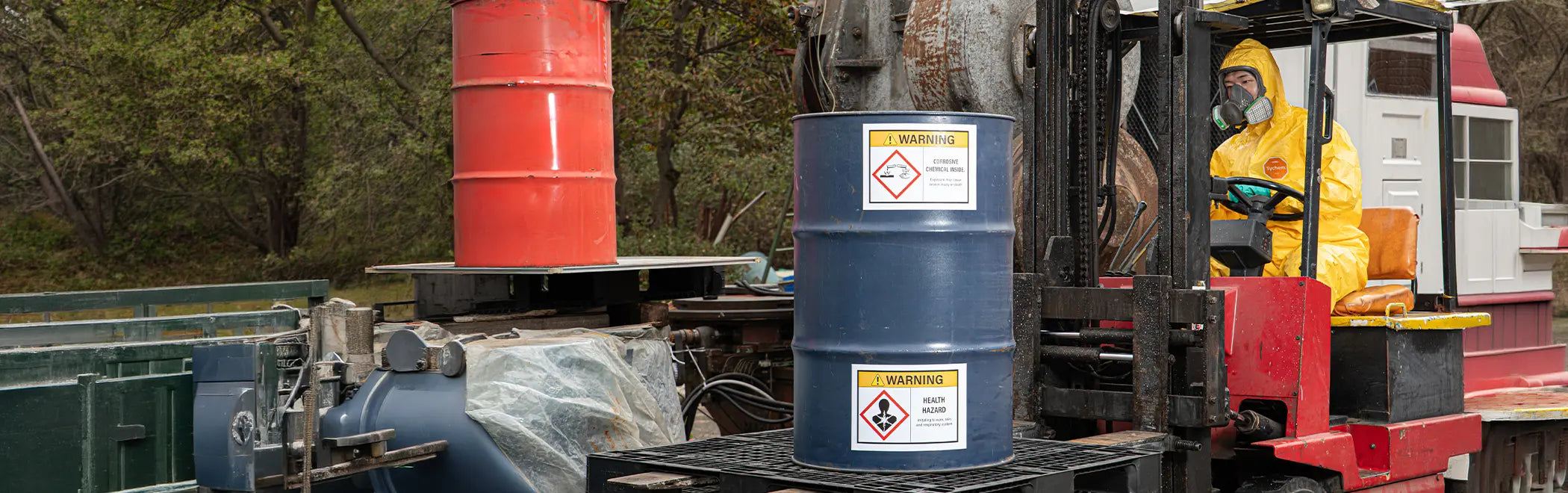
Recommended Industries
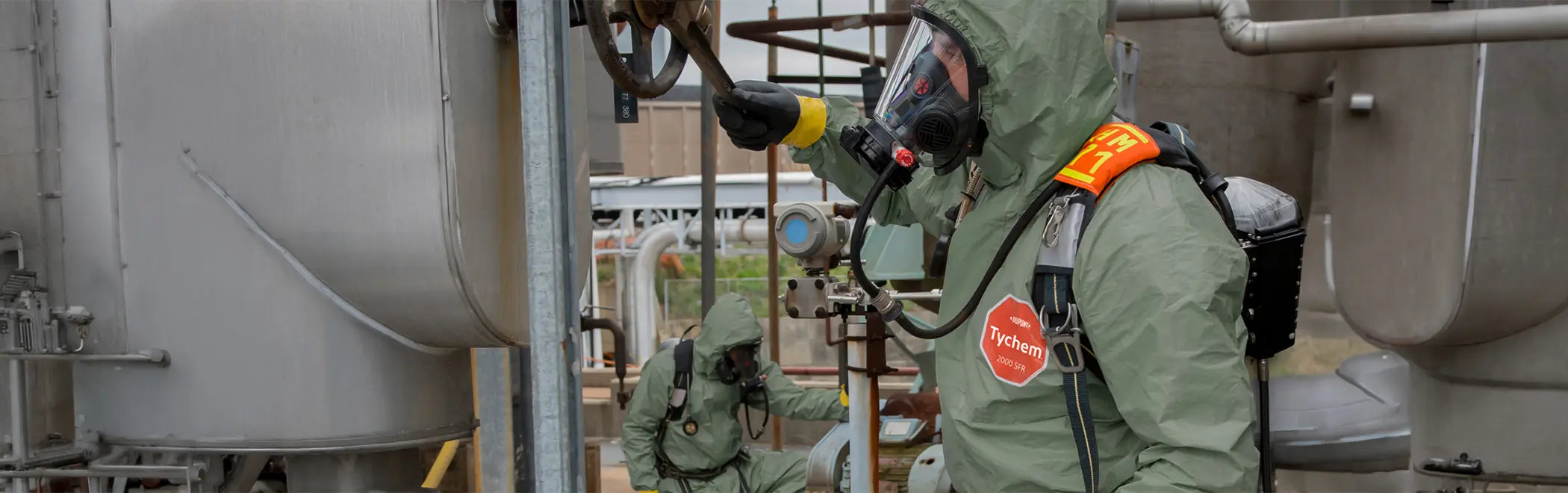
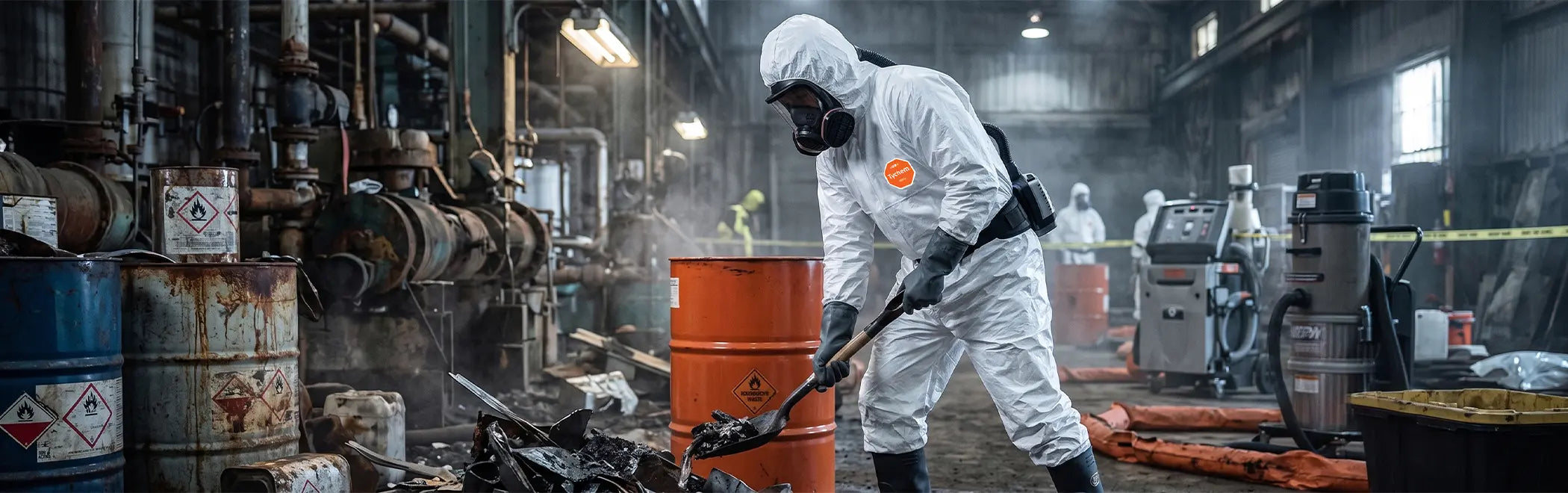
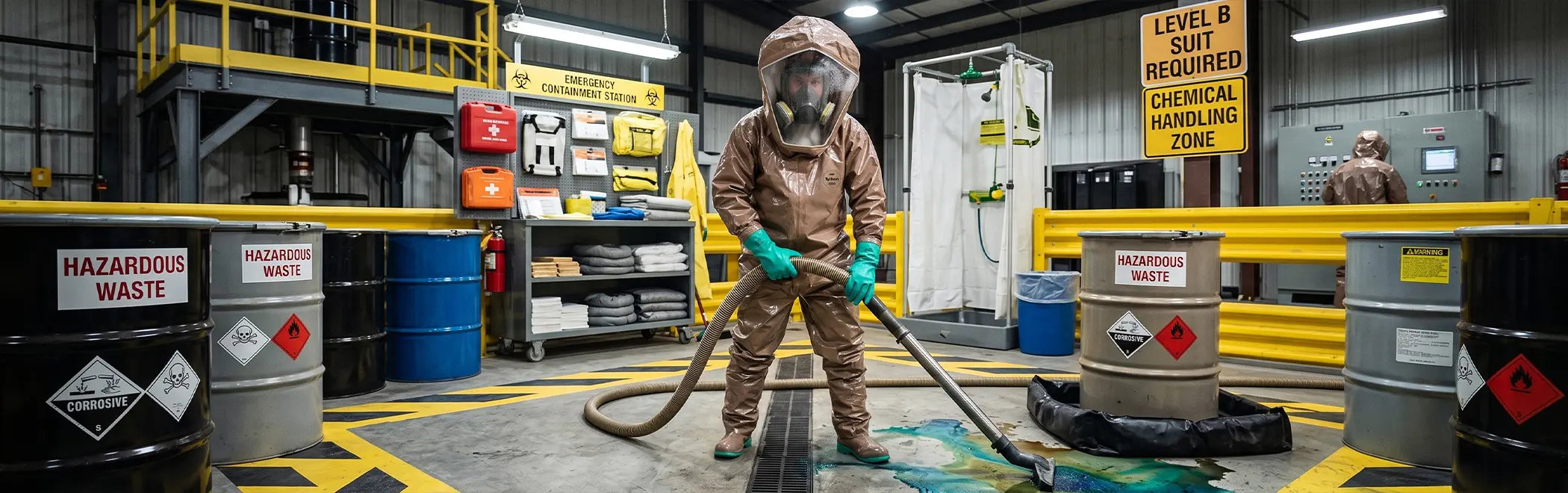
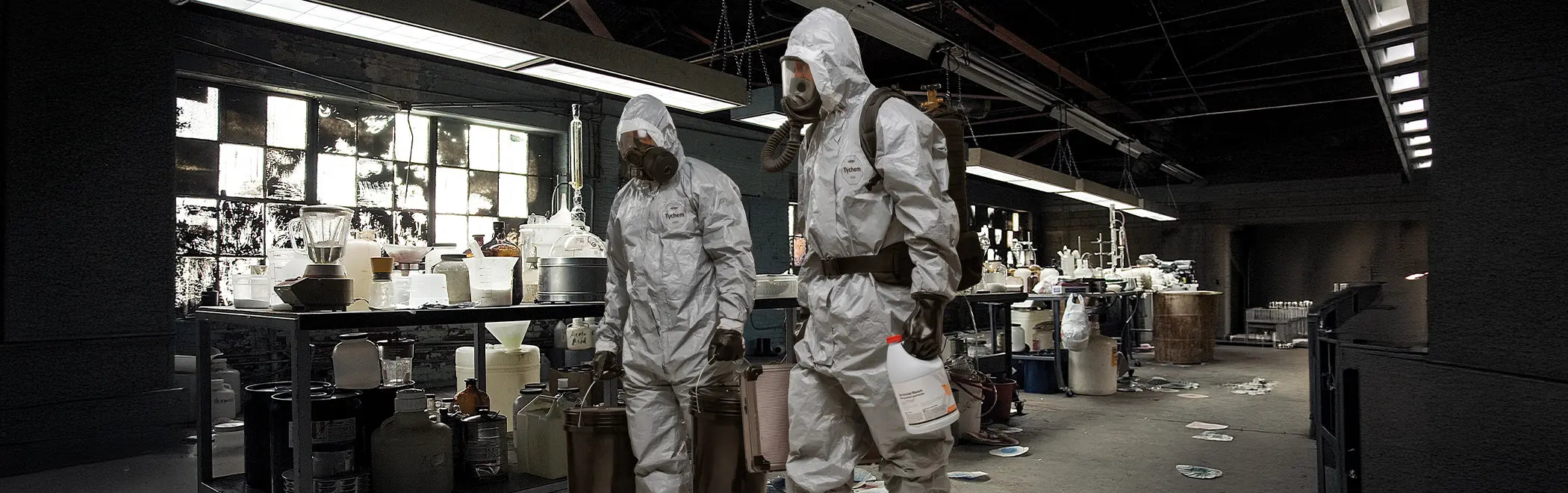
Frequently Asked Questions
DuPont™ Tyvek® is primarily designed for particle and light splash protection, while DuPont™ Tychem® is engineered for chemical protection. DuPont™ Tychem® garments use specialized barrier technologies to provide resistance against a broader range of hazardous chemicals.
Certain DuPont™ Tychem® garments are designed to provide protection against hazardous vapors and gases. Protection performance varies depending on the DuPont™ Tychem® fabric and the specific chemical involved.
Most DuPont™ Tychem® garments are intended for limited-use applications. Reusability depends on the specific product, level of contamination and workplace safety procedures.
Standard DuPont™ Tychem® garments are not designed for flame resistance unless specifically labeled as FR (Flame Resistant), such as Tychem® 2000 SFR or Tychem® 6000 FR.
DuPont™ Tychem® garments are commonly used with:
- Respirators
- Chemical-resistant gloves
- Protective boots
- Eye and face protection
The required PPE depends on the specific hazard and work environment.